
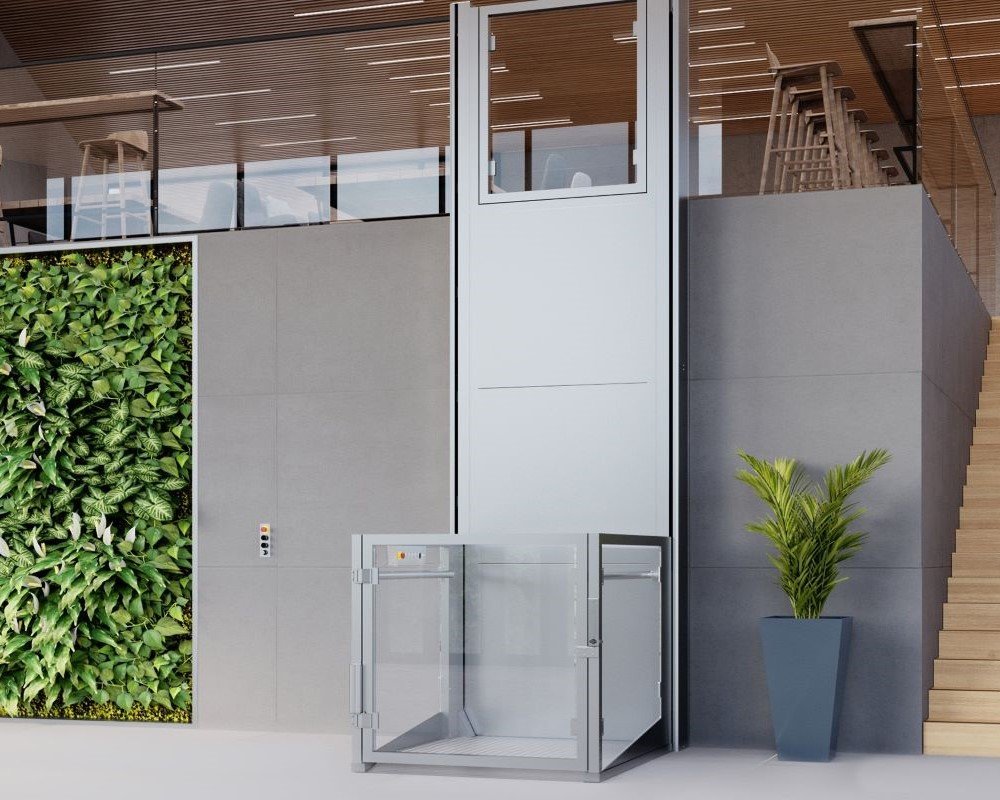
The lift that seems simplest may not be the one that best suits your home. When comparing vertical platform lifts, Perth homeowners need to consider how the lift will be used, the route it needs to cover and what the property can accommodate. A platform lift may suit some access needs, while a stairlift or another residential lift may be worth discussing in other situations.
Before making a significant change to your home, it helps to understand the options and the questions to ask. This guide explains how vertical platform lifts work, how they compare with other mobility solutions and which property details may affect your choice. It also covers what to ask a supplier about assessment, installation scope, applicable requirements, maintenance and support. Perth Lift Company is locally owned in Western Australia and works with homeowners, builders and architects on tailored residential lift solutions. A site assessment can help clarify the options without assuming a particular lift will suit your needs or property.
Key Takeaways
- Compare vertical platform lifts, stairlifts and home lifts by the access route and the person’s needs, not by appearance alone.
- When considering vertical platform lifts perth, assess the level change, approach space, surfaces and whether the proposed location is indoors or outdoors.
- Before speaking with a supplier, note how the lift will be used and where it might be installed.
- Ask about assessment, installation scope, applicable requirements and ongoing support to make a more informed supplier choice.
Vertical platform lifts in Perth: uses and suitability
A vertical platform lift carries a person on a platform between different levels. It can help address access barriers where steps or stairs are difficult to manage. Depending on the lift’s specifications and the user’s needs, the platform may accommodate a wheelchair or another mobility device. For a general overview of what is a vertical platform lift, see the background on wheelchair lifts and their uses.
In brief: a platform lift moves a person on a platform between levels, while a passenger home elevator uses a lift car to travel between floors. The right option depends on the access route, available space and project requirements. Vertical platform lifts Perth households consider may be suitable for an entry, verandah or another change in level, but the property needs to be assessed first.
What access needs can a platform lift address?
A platform lift may help someone move between levels while remaining with their wheelchair or mobility device. To assess whether it could work, consider how the person will approach and operate the lift, whether they need to transfer, and how they will reach the destination level. An entry or verandah could be a possible application. For an outdoor location, ask how exposure and site conditions affect the installation. Perth Lift Company’s outdoor lift options are one relevant topic to discuss.
How does a platform lift differ from a stairlift?
A platform lift travels vertically with the user on its platform. A stairlift follows a staircase, usually carrying the user on a seat or on a platform designed for access needs. The useful comparison is the route: does the person need to travel up or down stairs, or cross a specific level change? Also consider whether they can transfer to a seat and how much space is available. Read the Perth stairlift and home lift comparison for more context, then discuss your access requirements with a supplier.
Compare vertical platform lifts with other Perth mobility solutions
The right option depends on the route between levels, who will use the equipment and how the property can accommodate it. Use this comparison as a starting point, then arrange an assessment of both the user’s needs and the site. For broader regional context, consult the Western Australia platform lift guide.
| Option | Access route | Considerations |
|---|---|---|
| Vertical platform lift | Moves a user on a platform between levels. | Consider mobility-device access, approach space and the location of the level change. |
| Stairlift | Travels along an existing staircase. | Consider whether the user can transfer to and use a seat, or needs a platform-style stairlift, and how the staircase is used by others. |
| Residential home lift | Travels between levels in a lift car. | Consider the intended use, available space and the scope of the home project. |
Platform lift or stairlift: which access route matters?
A platform lift carries the user vertically on a platform, while a stairlift follows the stairs. Start by identifying the route the person needs to take and whether they need to remain in a wheelchair or with another mobility device. Consider whether a transfer to a seat is practical and whether there is enough room to approach the equipment at both ends. These details can help narrow the options before a site assessment.
Platform lift or home elevator: what should you weigh up?
A platform lift may be considered for a specific access point, while a home lift may suit a project involving travel between floors. Neither is a universal winner. The building, intended use and installation scope all matter. Ask the supplier which National Construction Code lift requirements and other provisions apply to your project.
For a clearer comparison of vertical platform lifts Perth homes may accommodate, arrange a professional assessment of the user’s needs and the property. To discuss your access project with a local supplier, visit Perth Lift Company.

Assess your Perth property before choosing a vertical platform lift
A useful site assessment considers two things together: what the user needs from the lift and where it could work in the home. Before comparing vertical platform lifts Perth suppliers can discuss, gather practical details about the access route and possible locations. This information helps explain the project, but it does not confirm that a lift will fit or that approvals will be granted.
What should you record before a site assessment?
Use this checklist to prepare:
- 1. User needs: Note who will use the lift, whether they use a wheelchair or other mobility device, and any transfer or operating considerations.
- 2. Daily access route: Record where the person travels from and to, including entry points and rooms they need to reach.
- 3. Level change: Note the levels involved and take approximate measurements if you can do so safely.
- 4. Approach and location: Identify possible lift locations and note available approach space, nearby doors and how people move around the area.
- 5. Surfaces and exposure: Describe the ground or floor surface and whether the proposed location is indoors or exposed to outdoor conditions.
- 6. Photos and questions: Take clear photos of the route and proposed site, then list any concerns about access or building work.
Could an outdoor platform lift suit the location?
An outdoor position may be worth assessing for an entry, verandah or another change in level. However, exposure and site conditions need to be considered rather than assumed. Ask how the location, surfaces and approach affect the options, and what installation requirements need checking. You can review the supplier’s outdoor lift options as part of that discussion.
Ask qualified professionals to confirm which Australian Standards, National Construction Code provisions and local requirements apply to your project. To discuss your property and access needs, contact Perth Lift Company about an assessment.
Choose a Perth platform lift supplier and plan your next steps
A useful supplier conversation connects the user’s access needs with the property’s conditions and the practical requirements of the project. When comparing vertical platform lifts Perth suppliers can discuss, look for a clear explanation of why an option is being recommended and what still needs to be confirmed.
What should you ask a platform lift supplier?
Use these questions to understand the proposed approach:
- Assessment: How will you evaluate the user’s needs, access route and proposed lift location?
- Options: What alternatives might suit, and what property or user factors influence your recommendation?
- Installation scope: What work is included, what may need coordination with other project professionals, and who is responsible for each step?
- Requirements: Which applicable standards, building provisions and local requirements need to be checked for this project, and by whom?
- Ongoing support: What maintenance or support is available after installation, and how can the owner arrange it?
Ask the supplier to explain the proposed scope and any assumptions clearly. That helps you distinguish what is known from what needs further checking, including decisions that may involve other professionals.
How can Perth Lift Company help with your project?
Perth Lift Company is a locally owned Western Australian specialist that supplies and installs residential lifts and mobility solutions, including vertical platform lifts and stairlift options. The company works with homeowners, builders and architects on tailored solutions. An assessment can bring the user’s access needs and property details into the same discussion and help establish which options may suit.
Share your photos, measurements and notes about daily access, then ask what the next assessment step involves. To discuss a lift solution with Perth Lift Company, outline your project and the access challenge you’re looking to address.
Take the next step towards easier access at home
Choosing between a platform lift, stairlift or home lift starts with the person’s access needs and the route they need to travel. Available space, the level change and conditions at the proposed location also shape what may be suitable. A site assessment can help turn those details into clearer questions about installation scope, relevant requirements and ongoing support.
For homeowners comparing vertical platform lifts perth, a considered supplier discussion can make the decision more manageable. Perth Lift Company is a locally owned Western Australian specialist supplying and installing residential lifts and mobility solutions. The team works with homeowners, builders and architects to discuss tailored options, with suitability assessed against the property and the user’s needs.
Discuss a vertical platform lift for your Perth property and share the access challenge you’re looking to address. Contact Perth Lift Company to discuss your project and possible next steps.
Frequently Asked Questions
What is a vertical platform lift?
A vertical platform lift carries a person on a platform between different levels, helping address access barriers in some homes. It may suit a wheelchair user or someone who finds steps difficult, but suitability depends on both the person and the property. Before choosing equipment, ask a lift specialist to assess the access route, proposed location, site conditions and project requirements.
Is a vertical platform lift suitable for a Perth home?
It may suit a Perth home where someone needs help accessing different levels, but no single lift is right for every property. The user’s mobility needs, approach space, proposed location and building conditions all affect what may be practical. A site assessment can clarify the options and any further checks needed. Ask qualified professionals to confirm the applicable standards and approval requirements for your project.
What is the difference between a platform lift and a stairlift?
A platform lift moves the user on a platform between levels, while a stairlift travels along a staircase and usually carries a seated user. The more suitable option depends on the person’s mobility, whether they can transfer to a seat, how they approach the equipment and the home’s layout. Discuss these practical details with a lift specialist before deciding which access route to explore.
Do I need building approval for a vertical platform lift in Perth?
Approval requirements depend on the property and project, so don’t assume an installation is exempt or automatically approved. Before proceeding, ask the lift supplier and relevant qualified building professionals to confirm what applies to your site. This includes checking any relevant National Construction Code provisions, Australian Standards and local requirements. Get clarity on who is responsible for confirming approvals as part of the project scope.
What should I prepare before requesting a platform lift assessment?
Before requesting an assessment, note who will use the lift, their access needs, the levels involved and whether they use a wheelchair or another mobility device. Take clear photos of the proposed location and daily access route, and record approximate measurements if available. Mention any concerns about approach space, surfaces or outdoor exposure. These details can help a supplier prepare for a more useful site discussion.