
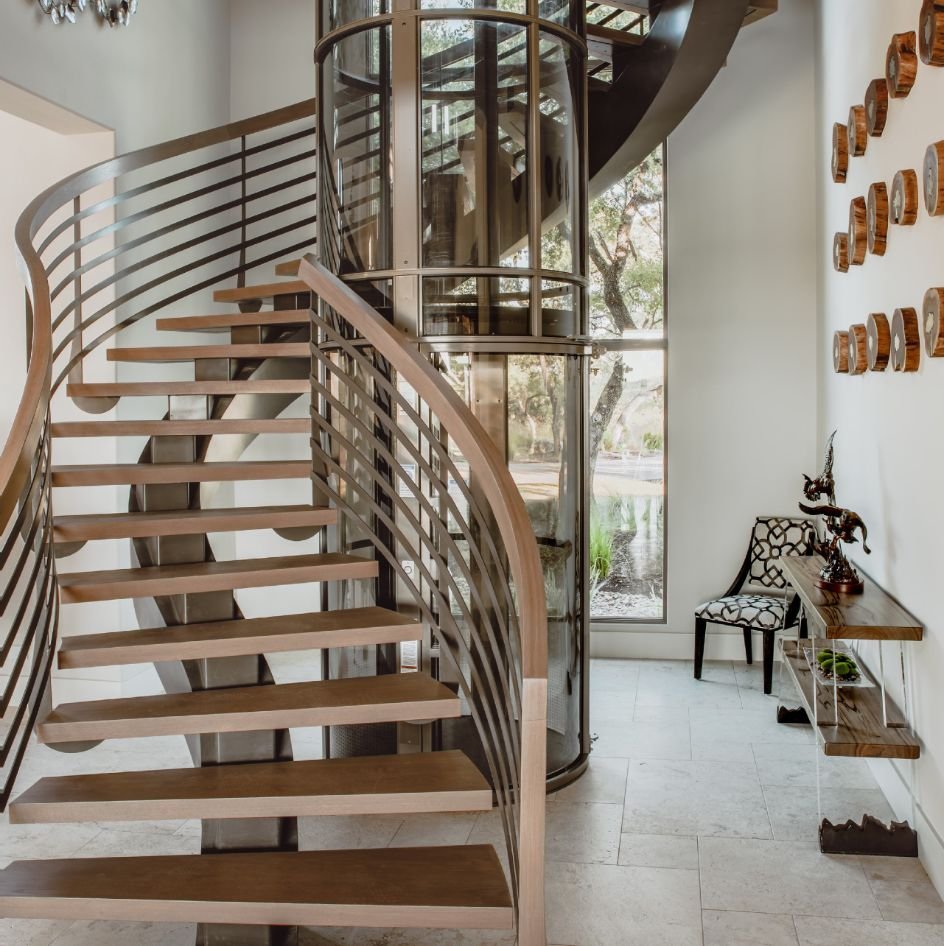
The smallest-looking lift isn’t automatically the right one for your home. Choosing a pneumatic vacuum elevator vs traditional lift depends on more than appearance: the operating mechanism, available space and building work all matter.
If you’re wondering whether an existing Perth home can accommodate a lift, start by comparing how each system moves its cabin and what the chosen model needs. Pneumatic lifts use air pressure, while traditional home lifts may use hydraulics, cables and counterweights. The practical requirements vary by system and by the home’s layout.
This guide explains the differences and the decisions to consider, from lift position and access needs to how you expect to use it over time. It also covers planning a residential lift in Perth. Perth Lift Company works with homeowners, builders and architects to consider residential lift systems in the context of each home and its accessibility goals.
Key Takeaways
- Pneumatic vacuum elevators use air pressure to move the cabin; traditional lifts can use different mechanisms, so compare specific systems rather than broad labels.
- For a pneumatic vacuum elevator vs traditional lift, consider your home’s layout and the project requirements, not appearance alone.
- Think about who will use the lift, their mobility needs, the levels to connect and how the lift will fit everyday routines.
- Set out your home and access priorities before comparing options. Perth Lift Company tailors residential lift solutions to each project.
Pneumatic vacuum elevator vs traditional lift: what are you comparing?
For a Perth homeowner, the comparison is between a pneumatic vacuum system and a residential lift using another mechanism. “Traditional” doesn’t describe one standard design. Different systems have different equipment and building requirements, so start by identifying how the cabin moves, then consider how a specific model fits the home and the people who will use it.
What does ‘traditional lift’ mean in a home?
Traditional residential lifts can use different mechanisms. A hydraulic lift uses pressurised fluid to move a piston. A winding-drum lift raises or lowers the cabin by winding a cable around a drum. Some lifts use traction, with cables and counterweights. These are distinct designs, and their specifications and building requirements vary by system and model. The Elevator overview outlines several lift types, including hydraulic, traction and pneumatic systems.
What is a pneumatic vacuum elevator?
A pneumatic vacuum elevator moves its cabin by changing the air pressure above it. The pressure difference raises or lowers the cabin. Its movement isn’t driven by a hydraulic piston or a winding drum. That describes the basic mechanism, not the lift’s speed, capacity or suitability, which depend on the particular system.
For a pneumatic vacuum elevator vs traditional comparison, first identify the mechanism: air pressure, fluid-powered movement or a cable-based arrangement. Then consider the practical fit. The available space, intended users, access needs and proposed lift position all matter. A compact appearance alone doesn’t determine suitability, and one model’s requirements shouldn’t be assumed to apply to another. Comparing specific systems with your household’s needs gives you a more useful basis for planning.
How vacuum and traditional home lifts differ in operation and design
The main difference is how each system moves its cabin. That mechanism shapes the design questions to resolve, but it doesn’t determine the building work on its own. Requirements depend on the model and the home, so use this comparison as a starting point for planning, then consider the chosen system’s specific requirements.
| System | Operating principle | Planning questions | Home-design implications |
|---|---|---|---|
| Pneumatic vacuum | Air-pressure changes move the cabin. | How will the unit, travel path and access points fit the chosen location? | Compare the model’s dimensions and installation requirements with the floor plan. |
| Hydraulic | Pressurised fluid moves a piston to raise the cabin; controlled fluid movement allows it to lower. | Where can the hydraulic components and travel space be accommodated? | Component placement and building requirements depend on the lift model and site. |
| Winding-drum | A motor turns a drum to wind or release the cable moving the cabin. | How will the lift’s equipment, cable route and access align with the house? | Allow for the selected design’s space and construction needs at the proposed location. |
How does a pneumatic vacuum elevator travel?
In general, a pneumatic system raises the cabin by creating lower air pressure above it. The pressure difference moves it upwards. To descend, pressure is gradually equalised so gravity lowers the cabin in a controlled way. Controls and specifications vary by model, so the operating principle alone doesn’t establish speed, capacity or installation requirements.
How do conventional residential lift mechanisms work?
Hydraulic and winding-drum lifts use different equipment and movement systems, so “traditional” doesn’t imply one set of space or building requirements. A hydraulic model relies on fluid and a piston; a winding-drum model uses a motor and cable. The machinery location, shaft design and any pit requirements need to be considered for the specific model and home.
Perth Lift Company can help relate the mechanism to your home and access goals. The PVE 30 vacuum elevator is one example of a pneumatic system.

Which lift suits your Perth home, access needs and project stage?
A compact-looking lift might appear suitable for a retrofit, but appearance alone can’t establish whether it will work for your household. The pneumatic vacuum elevator vs traditional decision should reflect who will use the lift, how they’ll use it and what the home can accommodate. There’s no universal winner: suitability depends on the selected system and the project.
Questions to map your home and household needs
Start with everyday use. Who will use the lift? Does anyone use a mobility aid? What needs to travel between floors, and how often are journeys likely? Consider groceries, a walking frame or other regular items, as well as the number of levels to connect. These details help you compare the usable cabin space and access arrangements of specific models.
Separate current requirements from future plans. If you hope to age in place, consider how access needs may change and whether the lift’s intended use will remain practical over time. A clear list of users and priorities helps keep the comparison focused on what matters to your household.
Planning a lift for an existing Perth home
In a retrofit, the floor plan is only part of the picture. The proposed lift position, routes to and from it, nearby rooms and the building layout can all affect the practical options. Project timing matters too: planning alongside a renovation may offer different opportunities from fitting a lift into a finished home. Consider the home and the selected model together rather than assuming a system will fit based on appearance.
Perth Lift Company works with homeowners, builders and architects to tailor residential lift options to the project and its accessibility goals. For early discussions about building coordination, home lift planning for builders offers a useful project checklist.
Before comparing systems, note your household’s access priorities, the levels to connect, likely everyday use and any renovation timing. These details provide a practical starting point for considering residential lift options for your Perth home.
Choosing a pneumatic vacuum or traditional lift in Perth: practical next steps
Once you understand the mechanisms and your household’s access priorities, turn the comparison into a plan. A few clear details about the home can help narrow down which residential lift options suit your project, whether you’re renovating or still designing.
What to prepare before discussing a home lift
Gather a floor plan or notes about the proposed lift location, if available. Include the number of levels, likely access points, who will use the lift and any mobility or carrying needs. Explain whether the home is already built, undergoing renovations or at the design stage. You don’t need every answer before starting; a practical outline gives the discussion a clear focus.
How Perth Lift Company can help with the comparison
Perth Lift Company supplies and installs pneumatic vacuum elevators and SWIFT residential lifts, tailoring options to the home and its accessibility goals. As a locally owned and operated specialist in Western Australia, the company works with homeowners, builders and architects to consider each project as a whole. The PVE 30, PVE 37 and PVE 52 are pneumatic model options to consider in relation to your home.
Use these steps to organise your next decisions:
- Outline your needs. Note the intended users, access priorities, levels to connect and expected day-to-day use.
- Review the home. Consider the layout, potential lift position, access routes and project stage.
- Compare suitable systems. Consider how the available residential lift options align with your home and household requirements.
- Plan the project. Coordinate the lift choice with the surrounding design or renovation work.
For a home-specific comparison of pneumatic vacuum elevator vs traditional lift options, talk with Perth Lift Company about a residential lift solution for your Perth home.
Turn your lift plans into a confident next step
A home lift is a long-term part of how you move through your home, so the decision should reflect more than the space available today. Consider the routines you want to support, how your household’s needs may change and how a lift could fit into the home’s future. This makes the pneumatic vacuum elevator vs traditional comparison more meaningful by focusing on what will work for you, rather than on a blanket winner.
You don’t need a complete plan before starting a conversation. A floor plan, notes about access priorities or an outline of renovation timing can provide a useful starting point. Perth Lift Company works with homeowners, builders and architects to shape residential lift solutions around individual projects.
Discuss a residential lift solution for your Perth home with Perth Lift Company.
Frequently Asked Questions
Is a pneumatic vacuum elevator better than a traditional lift?
Neither is automatically better. The right choice depends on how the selected system fits your home and intended use. In a pneumatic vacuum elevator vs traditional comparison, look beyond appearance: consider usable cabin space, how people enter and exit, and the access needed at each floor. Reviewing specific models against these needs helps clarify the practical trade-offs.
How does a pneumatic vacuum elevator work?
A pneumatic vacuum elevator uses controlled air-pressure changes to move its cabin between levels. The operating sequence and specifications depend on the model, so refer to the relevant product information for details such as cabin capacity and travel. For everyday planning, consider where the lift will stop and whether its entry points will suit the people and items using it.
Can a pneumatic vacuum elevator be installed in an existing home?
A pneumatic vacuum elevator may suit an existing home, depending on the model and building. In a Perth home, consider floor-to-floor alignment, entry positions, nearby walls and any services or features that could affect the proposed location. Renovation plans can also influence the options, so include them in early project planning.
Do pneumatic vacuum elevators need a lift shaft or machine room?
Some pneumatic vacuum elevator designs are self-supporting and don’t require a conventional lift shaft or separate machine room. They still need an appropriate location, travel space and floor access. Requirements vary, so base your plans on the specifications for the particular lift rather than assuming pneumatic or traditional systems all have the same building needs.
Which lift is better for ageing in place?
The better choice is the system that meets your current access needs and can remain practical as they change. Consider whether the intended user can enter and exit comfortably, whether mobility aids or everyday items need to travel, and which levels should be connected. When comparing residential lift options for ageing in place in Perth, factor in both present requirements and possible future changes.