
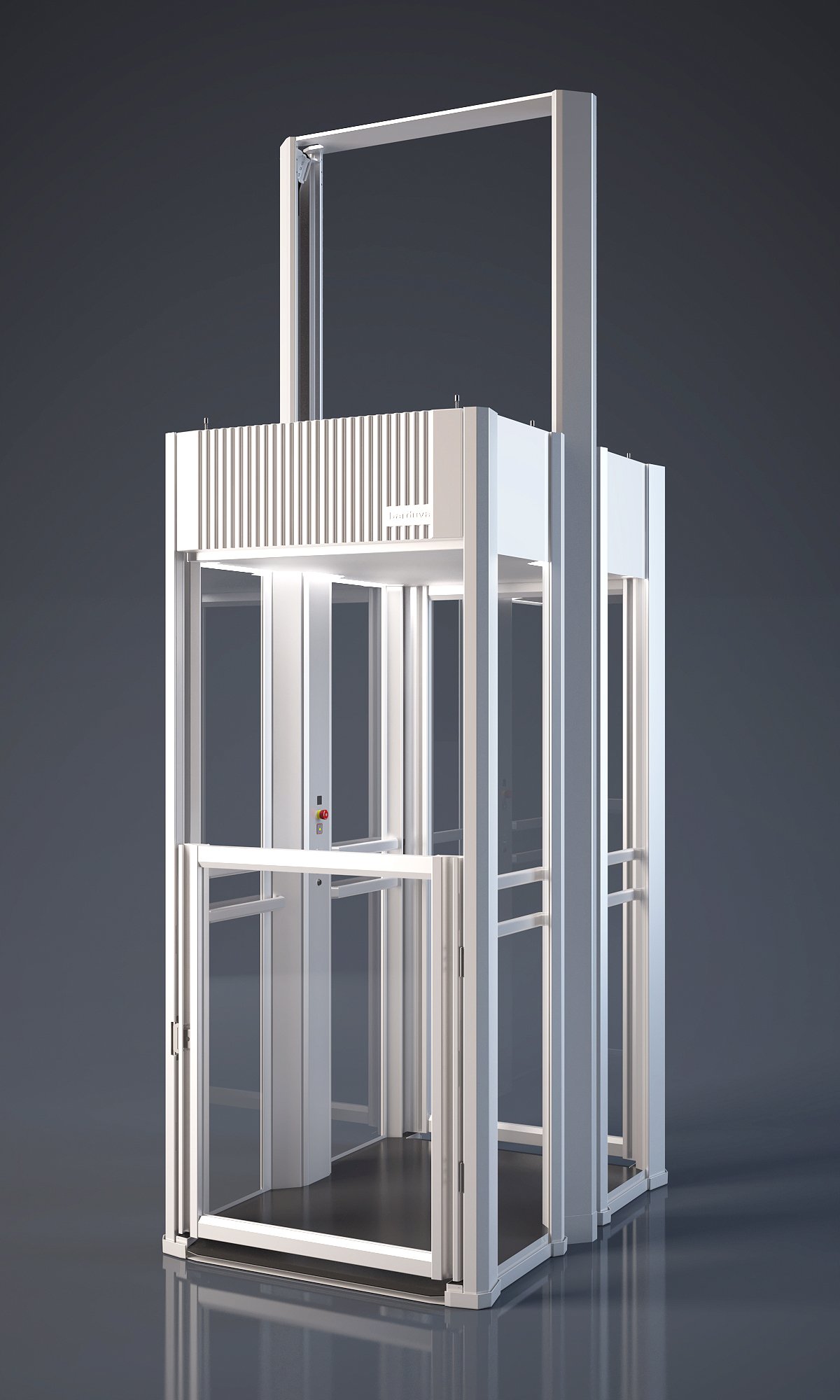
A stairlift can fold away when it’s not in use, so other family members can continue using the stairs. If you’re thinking about how to convince parents they need a stairlift, begin by explaining how it could support their independence, rather than focusing on what they find difficult.
It’s understandable that your parents may have concerns about safety, changing their home or how a stairlift will look. A calm conversation can help you understand what matters to them and give them space to consider the options without feeling pressured to decide straight away.
This article explains how to raise stair safety gently, discuss everyday independence and home modifications, and address concerns about appearance. You’ll also find practical ways to include your parents in the conversation, so any decision reflects their needs and preferences.
Key Takeaways
- Focus the conversation on the activities your parents want to keep doing, and how safer access between levels could support their independence.
- Raise concerns gently, share specific observations and give your parents time to express their views before discussing solutions.
- Talk through practical home changes together, including the staircase layout, installation considerations and how a stairlift may affect the space.
- Choose a calm moment to discuss appearance and involve your parents in exploring options, so the decision reflects their preferences.
1. Is getting a stairlift giving up independence?
A stairlift can support independence by making different levels of a home easier to access without climbing the stairs on foot. For a parent in a two- or three-storey home, it may help them keep using the rooms and following the routines that matter to them. If you’re considering how to convince parents they need a stairlift, start with what they want to keep doing, such as sleeping upstairs or reaching a favourite sitting room.
Use a specific example you’ve noticed. Perhaps your parent pauses halfway up the stairs, grips the handrail tightly or avoids carrying laundry between floors. When thinking about how to convince parents they need a stairlift, explain how it could reduce the need to manage those steps on foot. Keep the focus on the task, not on what you think they can no longer do.
The equipment works with the existing staircase: a rail-mounted carriage moves along the stair treads, powered by a battery-driven motor. This practical explanation can make the idea feel less like a major change to the home and more like support for everyday movement. A visual example of a stairlift for a Perth home can help make the discussion more specific.
Safety and independence can go hand in hand. A stairlift may make using the stairs easier and reduce the need to carry items while climbing. For example, your parent could travel upstairs without a basket, then make a separate trip for their belongings.
Australian government assistance is not a single, automatic stairlift grant. Eligibility depends on the relevant program and your parent’s circumstances, so discuss possible assistance separately from whether a stairlift could suit their daily needs.
Rental or second-hand stairlifts may be options in Australia, but suitability depends on the staircase, the equipment’s condition and whether the rail fits the home. A used stairlift designed for a different staircase may not suit your parent’s layout.
2. Opening a conversation about stair safety
Choose a calm moment, such as over a cup of tea, rather than raising the subject after a difficult day. Start with one specific observation, then invite your parent to talk about what feels manageable on the stairs. A relaxed conversation gives them room to respond without feeling a decision is expected immediately.
Use an “I” statement to express concern without criticising your parent’s mobility. For example: “I feel concerned when I see you carrying washing upstairs and holding the rail at the same time.” This describes what you’ve noticed and why it matters to you. It keeps the discussion focused on a situation rather than labelling your parent as incapable.
Listen before suggesting solutions. Ask which part of using the stairs feels hardest: starting the climb, turning on a landing or carrying shopping between floors. Their answer may reveal concerns about balance, fatigue, privacy or changing the home. Reflect what you’ve heard before sharing your perspective, and don’t treat disagreement as a reason to push harder.
Be honest about what concerns you. If your parent has stumbled, started avoiding an upstairs room or struggles with bags, describe that example plainly. Explain how reducing the need to climb stairs on foot could help with daily routines, while acknowledging that convenience matters too. Easier access to a bedroom, for instance, may mean less effort at the end of the day.
Falls on stairs can cause injuries and make an older person less confident moving around their home. Broken or uneven steps are recognised hazards, so mention any you’ve seen rather than making a general accusation about their safety.
If your parent’s health, balance or mobility changes suddenly, encourage them to speak with an appropriate healthcare professional. A sudden change deserves attention before the family focuses on a particular home modification. You could say, “I’ve noticed you seem less steady this week. Could we talk about what’s changed?”
3. Talking with parents about home modifications
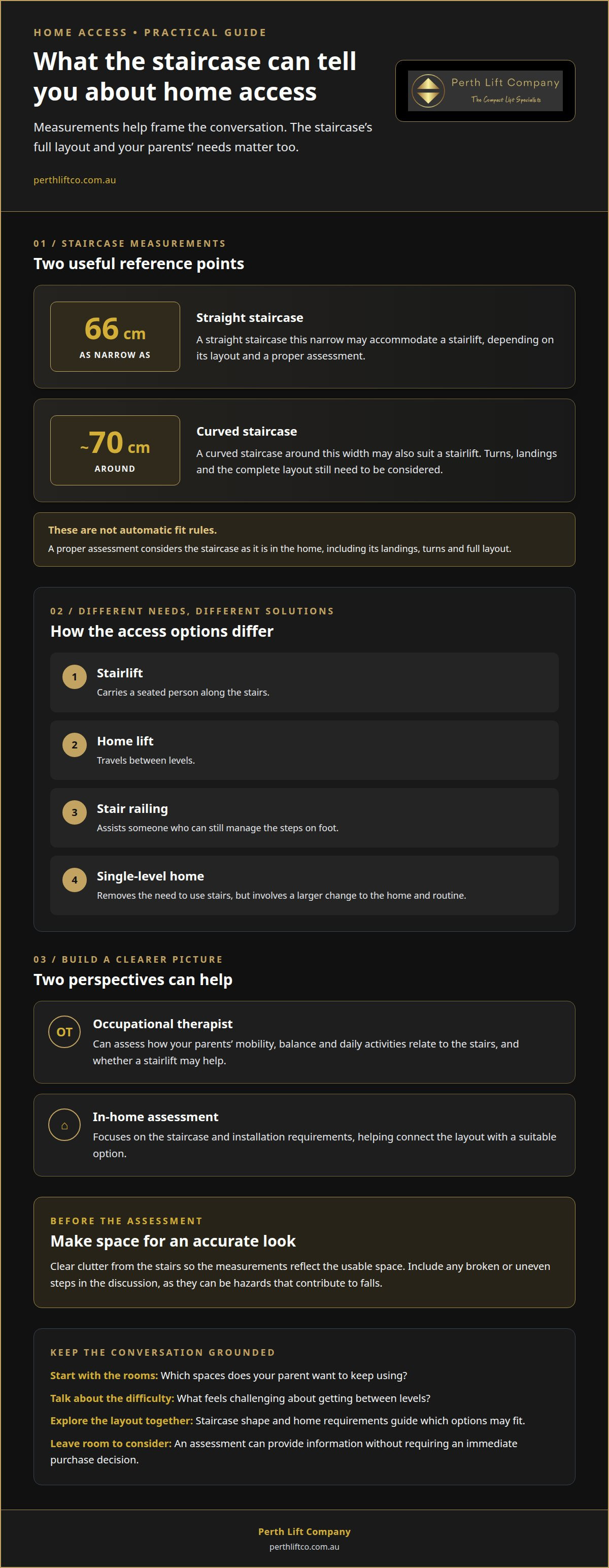
Make the home discussion practical by asking which rooms your parent wants to keep using and what feels difficult. A neutral in-home assessment can turn general worries about balance into a clearer picture of the staircase, access between levels and possible modifications. It provides information about stairlift options without requiring an immediate purchase decision.
Measurements help explain what may fit. A straight staircase as narrow as 66 centimetres may accommodate a stairlift, depending on its layout and proper assessment; a curved staircase around 70 centimetres wide may also suit one. These figures aren’t automatic fit rules. Landings, turns and the staircase’s full layout matter, so an assessment should consider the actual home.
Different access solutions address different needs. A stairlift carries a seated person along the stairs, while a home lift travels between levels; a stair railing assists someone who can still manage the steps on foot. Moving to a single-level home removes the need to use stairs, but involves a larger change to the home and routine.
Straight, curved, split-level and outdoor staircases may call for different stairlift configurations. The staircase shape guides the choice: a straight run differs from one with a bend or landing. An assessment connects the layout with a suitable option rather than assuming one model fits every home.
An occupational therapist can assess how your parents’ mobility, balance and daily activities relate to the stairs, and whether a stairlift may help. A home assessment then focuses on the staircase and installation requirements. Together, these perspectives can help your parents weigh practical access against other modifications. The Centers for Disease Control and Prevention identifies broken or uneven steps as hazards that can contribute to falls, so include repair needs in the discussion.
Clear clutter from the stairs before an assessment so measurements reflect the usable space. Revisit the conversation if your parents feel worried. They can take time to consider the findings and decide whether a stairlift, another change or no modification best supports living at home.
4. What if my parent is worried about how a stairlift will look?
Choose a calm moment, rather than raising the subject after an argument or difficult day. Ask what concerns your parent about the appearance: the rail, the seat or how the stairs will look to visitors. Listening first helps you respond usefully instead of dismissing a concern that matters to them.
Explain that stairlifts are designed to fold away when not in use, leaving the stairs available to other household members. This may ease concerns about a narrow-looking staircase or shared access. A stairlift can also be removed later, so the change doesn’t have to define the home permanently.
Give your parent an active role in exploring the decision. They could research models, read reviews and, where available, arrange a showroom test. Seeing how a seat feels and how the equipment looks in person can make the discussion more concrete. Their comfort and autonomy should guide the pace and the choice.
Talk through practical details together. Ask which parts of the home your parent wants to keep reaching and what appearance would feel comfortable in their hallway. If the staircase is straight, consider how the folded equipment will sit beside the steps. Avoid promising a particular look before the home and staircase have been assessed.
In Australia, check that the proposed installation suits the building and staircase and meets applicable requirements. Ask the installer to explain how the assessment informs the proposed fit, installation and use. Clear explanations can help your family understand the practical changes before deciding.
Keep the conversation open across several discussions. Your parent may need time to consider reviews, see an example or talk through what they’ve learned. Offer support without setting a deadline, then return to the topic when they feel ready. A steady approach can build peace of mind while keeping the decision theirs.
Perth Lift Company
Perth Lift Company can help you explore stairlift options when stairs are becoming difficult for a parent to manage at home. Its range includes chair stairlifts and platform stair lifts, alongside other lift options for different access needs. The right conversation starts with your parent’s daily routines and the home’s layout, so their priorities remain central.
If your family is still weighing up a stairlift, discuss the available options and how they relate to your parent’s needs. This gives you a practical next step without taking the decision away from them. A stairlift may not suit every situation, so consider the specific access challenge and which type of lift addresses it.
Contact Perth Lift Company to discuss options for your family’s home.
Take the next step at your family’s pace
A helpful conversation doesn’t need to end with an immediate decision. Agree on one practical next step, such as noting which parts of the home your parent wants to keep accessing or listing questions they still have. This keeps the choice collaborative and gives your parent room to consider what would make daily life feel more manageable.
If you’re working out how to convince parents they need a stairlift, focus on listening and finding an option that fits their priorities, rather than trying to win an argument. Perth Lift Company offers SWIFT Pro Lifts, SWIFT Lite Lifts and Pneumatic Vacuum Elevators (PVE 30, 37, 52), alongside stairlift options. The right next step depends on the access challenge your family wants to address.
For a calm conversation about options for your home, contact Perth Lift Company today. Taking the decision one step at a time can help your family move forward with confidence.
Frequently Asked Questions
Can a stair lift be folded away when other family members use the stairs?
Yes, stairlifts are designed to fold away when not in use, leaving the stairs available to other household members. Your parent can consider how the folded seat and footrest might affect the space they use every day. If several people share the staircase, include their routines in the discussion, such as carrying a basket or passing one another on the stairs.
How do I explain that a stair lift prevents moving to assisted living?
A stairlift can address difficulty using stairs, but it can’t guarantee someone can avoid moving into assisted living. Explain the specific access problem it could help with, such as reaching an upstairs bedroom in a Perth home. Discuss other care and support needs separately, so your parent can make a considered decision based on their whole situation, not stairs alone.
Is getting a stairlift giving up independence?
No. Using a stairlift can be a practical way to manage access between levels while staying in control of everyday choices. Independence doesn’t have to mean doing every task without assistance. For example, a parent may choose to use a stairlift for regular trips upstairs while continuing to decide when and how they move around their home.
What if your parent still says no?
Respect their answer and avoid turning the conversation into an argument. Ask what matters most behind the refusal: changing the house, trying unfamiliar equipment or feeling pushed into a decision. Acknowledge the concern, then leave the discussion open for another time. If their mobility or balance changes, revisit the practical issue together and encourage them to discuss health changes with an appropriate professional.
What if my parent is worried about how a stairlift will look?
Include your parent in exploring how different options look and feel. They can review models, read user reviews and, where available, arrange a showroom test before deciding. A stairlift can be removed later, which may ease concerns about making a permanent change. Let your parent decide what feels acceptable rather than choosing an appearance on their behalf.
Will a stairlift damage the walls or the staircase in my parents’ home?
A stairlift is mounted to the existing stair treads, rather than attached to the walls. Stairlifts do not damage walls or staircases. The proposed installation still needs to suit the particular staircase, so consider its layout and condition when assessing the home. If your parents are worried about visible changes, discuss the rail’s placement and how it affects their usual use of the stairs.