
The cheapest initial quote for a home lift often turns out to be the most expensive renovation mistake a Perth homeowner can make. When you begin researching your residential elevator cost, it’s completely natural to feel overwhelmed by confusing technical terms, uncertain Western Power grid upgrades, and the looming fear of surprise excavation bills. Investing in accessibility and future-proofing your two-storey home should bring lasting peace of mind, not financial guesswork and construction stress.
This 2026 guide provides a clear, transparent breakdown of residential elevator costs across Western Australia, examining everything from site preparation and council permits to long-term maintenance. We compare traditional hydraulic systems with modern, low-impact alternatives so you know exactly where your money goes. Along the way, you’ll discover how selecting a self-supporting, pit-less design protects your budget, enhances your local property value, and simplifies installation from day one.
Key Takeaways
- Understand the core drivers behind residential elevator cost in Western Australia, including how your home’s layout, travel height, and mechanical systems influence total pricing.
- Discover how innovative solutions like battery-powered SWIFT Pro Lifts and pit-less Pneumatic Vacuum Elevators help you bypass costly electrical overhauls and extensive excavation work.
- Identify and prepare for civil site preparation expenses early, from structural floor penetrations to council building permits, avoiding unexpected project delays.
- Calculate the genuine long-term return on investment by weighing Perth property value appreciation against the significant transactional costs of moving house.
The Baseline: What Drives Residential Elevator Cost in Perth?
Calculating an accurate residential elevator cost requires looking past generic east-coast estimates. Western Australia presents distinct geographical realities. Perth’s isolation means interstate shipping, specialised freight handling, and local trade availability influence the final figure far more than in Sydney or Melbourne. Several interconnected design decisions establish your baseline expenditure:
- Travel distance and stop counts: Each additional floor level adds landing doors, mechanical guides, and electrical wiring.
- Accessibility goals: Budget-conscious chair stairlifts focus strictly on personal mobility, whereas fully enclosed vertical platform elevators deliver comprehensive architectural integration for the whole family.
- Custom finishes: Selecting panoramic glass, custom lighting, or bespoke internal wall cladding directly affects equipment fabrication expenses.
Hardware vs. Installation: Splitting the Bill
A lift quotation divides into two distinct halves: the precision machinery itself and the skilled labour required to install it safely. Lift hardware accounts for roughly half to two-thirds of the total package. The rest covers mechanical assembly, commissioning, and required compliance sign-offs. Equipment-only pricing found online rarely covers structural engineering certificates, builder prep, or local council permits, which can leave homeowners unprepared for substantial secondary invoices. For a comprehensive breakdown of what drives the cost of home elevators and lifts beyond the initial brochure price, reviewing a detailed homeowner’s guide before requesting quotes is a valuable first step.
The Long-Term Investment: Maintenance and Registration
Protecting your investment involves ongoing operational upkeep. Regular servicing keeps equipment quiet, maintains safety mechanisms, and preserves manufacturer warranties. In Western Australia, domestic lift owners must also account for regulatory requirements under WorkSafe WA. Checking current registration rules and annual inspection mandates ensures your installation stays fully compliant with local safety standards over its lifespan, securing both your property’s value and your family’s daily security.
Comparing Lift Technologies: SWIFT vs. PVE vs. Traditional
Evaluating drive systems reveals why hardware sticker prices don’t tell the full story. Traditional hydraulic lifts often appear cost-effective initially, yet they demand a dedicated machine room, external fluid reservoirs, and heavy three-phase power. In contrast, modern Swedish engineering in SWIFT Pro Lifts relies on an intelligent, battery-driven drive that charges directly from a standard 230V domestic wall outlet. This eliminates expensive electrical mains upgrades while keeping your total residential elevator cost firmly under control.
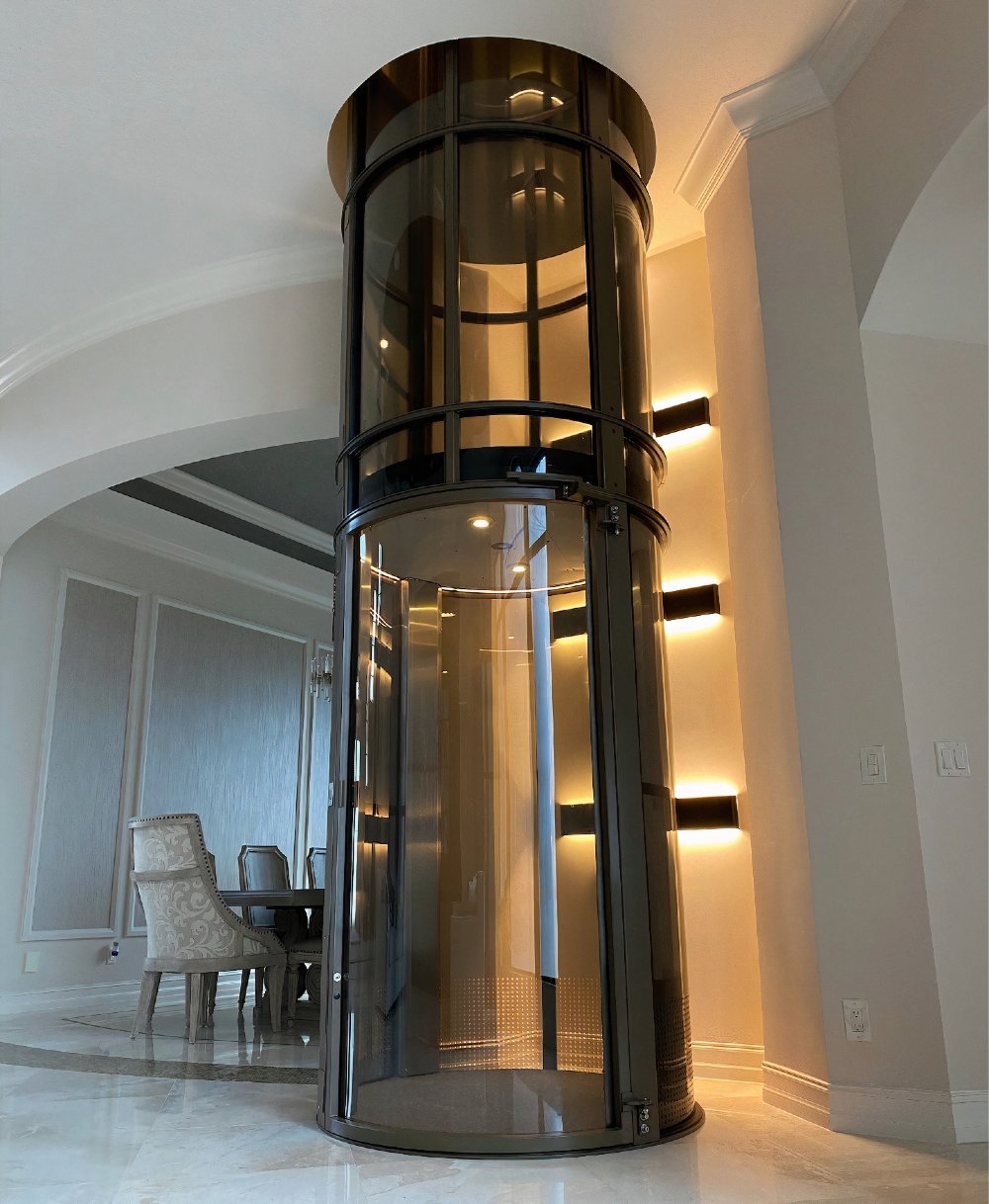
For homes prioritizing panoramic sightlines, Pneumatic Vacuum Elevators (PVE) offer an air-driven alternative that bypasses mechanical shafts altogether. Compact circular options like the PVE 30 fit neatly into tight voids or spiralling stairwells, minimizing the need to reframe surrounding walls. Choosing between screw-driven platforms and pneumatic tubes ultimately balances aesthetic impact against structural disruption. Homeowners planning for multi-generational living or retrofitting double-brick construction can find detailed guidance on selecting the right domestic lifts for houses across Perth’s varied architectural styles.
The Advantage of Pit-less Technology
Excavating a deep pit in Perth often uncovers shifting sand or high coastal water tables, triggering costly waterproofing and underpinning. The versatile SWIFT Lifts range requires only a nominal 50 mm recess or a ramp, while PVE systems sit directly on the existing floor slab. This non-invasive footprint makes them exceptionally practical for second-storey retrofits.
Energy Consumption and Running Costs
Power usage varies significantly across technologies. Vacuum systems consume zero energy on descent by utilizing controlled air pressure release, while screw-and-belt drives draw modest power during travel. Modern lifts incorporate intelligent Eco-mode features that automatically power down lighting and standby electronics to curb idle consumption by up to 70%. Homeowners exploring tailored layouts can review the complete range at Perth Lift Company to find the ideal match for their architectural plans.

Site Preparation: The “Hidden” Costs of Installation
Civil carpentry and electrical preparations represent the most unpredictable variable in your total residential elevator cost. While equipment pricing stays constant, the physical environment of your home determines how much labour is required before delivery day. Penetrating an upper suspended concrete slab, trimming ceiling joists, and structural steel reinforcement demand qualified trades. After the lift stands completed, homeowners must also budget for “making good”, including plaster patching, architrave trimming, and matching floor coverings across both levels.
Retrofitting in Established Perth Suburbs
Two-storey homes in older Perth suburbs present unique structural hurdles. Double-brick construction and suspended concrete slabs require diamond core drilling, dust suppression, and temporary propping. Shaftless and modular platform models significantly lower civil preparation invoices in these homes. Because they transfer load directly through their own integrated framing, you don’t have to build load-bearing masonry towers from scratch.
Western Power and Electrical Requirements
Older properties across metropolitan Perth often feature single-phase switchboards with limited spare capacity. Installing a conventional commercial-style lift can trigger mandatory switchboard modernisations or lengthy Western Power application delays for three-phase supply. Conversely, choosing the battery-backed SWIFT Pro eliminates these infrastructure headaches entirely. It charges continuously through a standard domestic circuit, drawing power like an everyday household appliance and shielding you from expensive supply upgrades. To safeguard your project budget against structural surprises, speak with our local team at Perth Lift Company to evaluate your floor plans before work begins.
ROI and Future-Proofing: Is a Home Lift Worth the Cost?
Viewing a residential elevator cost purely as an expense ignores the substantial financial returns it generates over time. Rather than downsize to avoid stairs, many Western Australians choose to age in place. Selling a multi-storey home incurs substantial transactional frictions, including real estate agent sales commissions, conveyancing fees, moving logistics, and Western Australian stamp duty on a replacement property. Installing a lift often costs significantly less than these relocation penalties combined, preserving your neighbourhood ties and family memories.
Beyond functional accessibility, statement architecture delivers immediate visual value. A panoramic PVE 52 serves as a luxury centerpiece, creating a striking focal point that floods vertical spaces with natural light. Planning this upgrade proactively avoids the rush and inflated costs of emergency medical retrofits later in life.
Impact on Perth Property Value
Multi-level homes equipped with elevators attract a much broader pool of prospective buyers. They appeal directly to retirees seeking independent living, multi-generational households, and executive families desiring everyday convenience for groceries and luggage. Incorporating a lift can increase a home’s market value by more than the initial installation cost in affluent suburbs like Dalkeith or Cottesloe, making it a sound long-term equity strategy.
Independence and Lifestyle Benefits
Everyday convenience provides genuine daily comfort that numbers alone cannot capture. Living comfortably across every level of your own home brings effortless freedom. Family members of all physical abilities move without restriction or anxiety about steep stairs. Ready to budget for your home? Connect with the team to explore tailored options across our product range and discover the ideal fit for your floor plan.
Future-Proofing Your Perth Home with Confidence
Understanding your total residential elevator cost comes down to looking beyond the machinery to evaluate structural impact, energy demands, and genuine lifestyle value. Opting for modern pit-less engineering avoids invasive slab trenching, while battery-backed drives safeguard you from costly electrical switchboard overhauls. Enhancing your multi-level residence today protects your independence and adds lasting equity without the stress or expense of moving house.
As a business WA-owned and operated since inception, Perth Lift Company provides proven expertise in pit-less and battery-powered technology tailored specifically to Western Australian architecture. Our dedicated local service team oversees each stage with care, ensuring meticulous installation and dependable ongoing maintenance for true peace of mind. When you’re ready to explore what’s possible, Request a Tailored Perth Lift Quote and find the perfect vertical living solution for your family.
Frequently Asked Questions
How much does a basic residential elevator cost in Perth in 2026?
An accurate residential elevator cost in Perth depends primarily on drive mechanics, the number of levels served, and site conditions. While entry-level mobility platforms require smaller financial outlays, full-height architectural lifts involve higher investment due to custom fabrication and site preparation. Getting a tailored quote from a local specialist ensures your estimate factors in freight, site-specific engineering, and local compliance requirements without unexpected surprises.
Are there hidden costs when retrofitting a lift into an existing home?
Yes, retrofitting often involves secondary civil expenses that standard equipment quotes exclude. Cutting through timber or suspended concrete slabs, reinforcing load-bearing walls, and framing custom shafts can add substantial trade costs. You must also budget for cosmetic restoration, including plastering, repainting, and blending floor finishes. Selecting self-supporting systems like SWIFT or pit-less vacuum lifts substantially reduces these unpredictable building requirements.
Does a home lift require three-phase power in Western Australia?
Most modern domestic lifts don’t require three-phase power in Western Australia. While older commercial-style hydraulic systems often demand heavy electrical infrastructure, innovative models like the SWIFT Pro operate off standard single-phase 230V household power. They incorporate intelligent battery systems that recharge continuously through a standard wall outlet. This design completely eliminates expensive switchboard overhauls and lengthy Western Power supply applications.
How much value does a residential elevator add to a Perth property?
A residential elevator can significantly increase property appeal and market value across multi-level Perth homes. In prestigious suburbs like Cottesloe, City Beach, or Dalkeith, vertical access transforms a multi-storey house into a future-proofed asset that appeals to high-net-worth downsizers and multi-generational families. The added equity and rapid marketability often exceed the original residential elevator cost, particularly when compared against relocation fees and stamp duty.
What is the cheapest type of home lift to install?
Chair stairlifts represent the lowest upfront expense because they fasten directly to existing treads without structural alterations. However, for full wheelchair access or vertical cabin travel, self-supporting platform lifts and pit-less pneumatic lifts offer the most economical installation. They eliminate deep ground excavation, separate machine rooms, and dedicated masonry hoistways, keeping both initial equipment costs and structural builder fees to an absolute minimum.
Do I need a building permit for a home lift in Perth?
Yes, installing a residential lift in Perth typically requires a building permit from your local municipal council. Because the installation involves structural modifications such as cutting ceiling voids or altering floor slabs, an independent structural engineer must certify the plans before building approval. A licensed builder or experienced local lift provider helps lodge the necessary documentation to ensure full compliance with the WA Building Act.