
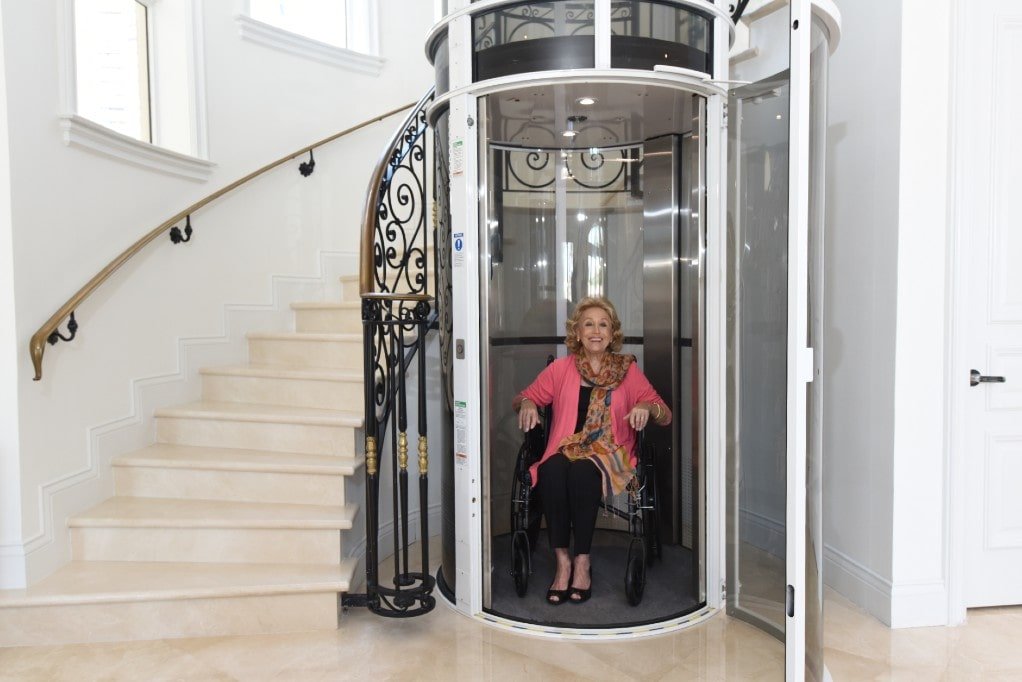
The right wheelchair access lift is chosen around the person’s daily route, not the product label. If you’re researching wheelchair access lifts for homes Perth, you may be wondering whether a vertical platform lift will accommodate the wheelchair and user comfortably, or whether an enclosed home elevator may be more appropriate. The answer depends on the access route, available space and layout of your home, as well as the lift itself.
This guide compares lift categories, explains what to check about the person’s access needs and outlines the property details to gather before an assessment. Perth Lift Company works with homeowners, builders and architects on tailored accessibility projects. A considered assessment can help identify which options are worth exploring for your home.
Key Takeaways
- Compare wheelchair access lifts for homes Perth by considering the person’s daily route, not just whether a lift is enclosed.
- Record the wheelchair’s occupied dimensions and how the user boards and exits to help check whether a lift may meet their needs.
- Map the route between levels and note available space, landings, power access and possible building work before arranging an assessment.
- Ask providers to check specifications against the user’s needs, assess the site and confirm in writing what supply, installation and ongoing support include.
Wheelchair access lifts for homes Perth: start with the route
Before comparing models, write down the levels the person needs to access and how they will approach, enter and leave the lift at each level. This makes it easier to discuss practical options with a specialist and identify what needs to be checked at your Perth property.
Which wheelchair access lift suits a Perth home and daily routine?
Moving between levels can shape everyday choices, from reaching a bedroom to getting out through an elevated entrance. The right option depends on the route and how the person uses their wheelchair, not simply on whether a lift is labelled “residential” or “accessible”. Compare the access points, enclosure and intended use, then check the proposed model’s specifications against the user and property.
How a vertical platform lift differs from an enclosed home lift
A vertical platform lift carries the user on a platform between levels. An enclosed residential lift carries occupants in a cabin. Either category may be worth investigating, but neither should be assumed suitable until entry and exit, wheelchair fit, landings and product specifications have been checked. Consider whether the user can transfer from their wheelchair or needs to remain seated in it. A chair stairlift generally involves transferring to a seat. A platform stairlift is a different configuration and also needs a suitability check. For a basic overview, see Wheelchair lift.
When a home lift assessment is worth considering
Consider the whole daily route, such as the journey from the entrance to living areas or between a bedroom and bathroom on another level. Note where the wheelchair needs to approach, turn, enter and exit, and whether the person will travel with an attendant. You can also discuss accessibility needs the household wants to plan for, without assuming the person’s condition will change.
A local assessment can help establish which options warrant closer investigation. Perth Lift Company supplies and installs vertical platform lifts and works with homeowners, builders and architects on tailored accessibility projects. If an outdoor level change is part of the route, explore outdoor lift options. You can also review wheelchair lift options for homes, then ask a specialist to confirm model specifications and property suitability.
What should a wheelchair access lift accommodate?
A lift needs to work for the person using it, their wheelchair and the spaces at both levels. No single specification suits every user, chair or property, so treat product details as items to verify rather than assumptions. Before discussing options, gather a clear picture of how the lift will be used.
Which wheelchair and access measurements should be checked?
- Wheelchair type and footprint: Record its occupied width and length, including the user’s position in the chair.
- Attachments: Note items such as footrests, oxygen equipment or bags if they affect the clearance required.
- Boarding and assistance: Explain whether the person transfers, stays seated in the wheelchair or needs help getting on and off.
- Capacity and platform: Ask the provider to check the selected model’s rated capacity and platform dimensions against the combined user and chair requirements.
Share these details with the lift provider and ask them to confirm clearances against verified specifications for the particular model. A general product description is not enough to establish fit.
What makes lift entry and exit practical?
Check the approach at both levels, including doorway widths, turning room and how the wheelchair lines up with the platform or cabin. A lift may have enough internal space yet still be awkward to reach or leave if the landing is tight. Consider where the controls are positioned and whether the user or their support person can operate them comfortably. Confirm the control arrangement for the model rather than assuming a feature is standard.
Sketch the route and note tight corners or obstructions before an assessment. For broader context on access provisions, consult the Australian Building Codes Board resource and check how it applies to your project. Vertical platform lift information can also help you begin comparing options. Ask a specialist to verify the specifications against the user and site.

How do Perth property conditions affect wheelchair lift selection?
A lift that suits the user still needs to work within the home and its access route. Before comparing models, work through these practical steps:
- Map the route: Mark where the person needs to travel between levels, including the approach and landing at each end.
- Note site conditions: Record available space, the levels to be served, nearby doorways, power access, obstructions and any likely building work.
- Request an assessment: Share the route and constraints with a specialist so potential lift options can be considered against the property.
For an exposed location, ask how weather protection and the site affect suitability. Don’t assume a particular outdoor configuration will work without checking the model and property. Browse outdoor residential lift options as a starting point, then confirm available configurations and specifications with the provider.
What should a Perth site assessment examine?
Ask the specialist to review the proposed lift location, the full access route and both landing areas. Explain whether the work is part of a renovation or a new build, as this may affect project planning with your builder or architect. For a new project, agree who will confirm site details and communicate requirements before work proceeds.
What approvals and standards should homeowners ask about?
Approval steps and applicable standards depend on the specific project. Ask the lift provider which National Construction Code provisions, Australian Standards and local approval steps they believe apply, and request a clear explanation of what still needs confirmation. Check compliance or approval advice with the relevant authority or a qualified professional. An assessment can clarify questions to investigate, but it is not a promise of council approval or confirmation that one pathway applies across Perth.
How to choose a Perth wheelchair access lift provider
A good provider should explain how a proposed lift relates to the person’s needs and the home, rather than relying on a product label alone. Compare providers on whether they will:
- Discuss the user, wheelchair and daily access route before suggesting an option.
- Check platform dimensions, capacity and other relevant specifications for the particular model.
- Assess the property, including the lift location and landing access.
- Explain project steps and who is responsible for confirming site requirements.
Ask for the proposed scope in writing, including what supply and installation cover and what ongoing support, if any, is available. The budget depends on the selected lift and any work required at the property, so request a project-specific explanation rather than relying on a general estimate. A Perth home lift price guide can provide background, but it cannot replace a site assessment.
Questions to ask before selecting a lift
Ask how the proposed lift accommodates the wheelchair, user and route, and which specifications support that recommendation. What site conditions could affect the solution? Could building work be needed, and who will confirm the requirements? Clear answers help you compare proposals on suitability and scope, not just appearance or product category.
What to prepare for a tailored discussion
Gather property plans or photos, the levels to connect and a description of the person’s usual access needs. Note the wheelchair model or measurements, any attachments that affect clearance, and whether assistance is needed to board or exit. These details help a specialist understand the project and identify what still needs checking.
Perth Lift Company is locally owned and operated in Western Australia, and works with homeowners, builders and architects on tailored accessibility projects. You can discuss wheelchair lift options in Perth with the team and outline your access requirements.
Take the next step towards a better-fitting home lift
Choosing a wheelchair access lift for a Perth home starts with the person’s daily routine, wheelchair and route through the property. Compare lift types by how the user boards and exits, then check the model’s capacity and dimensions against their needs. A site review can clarify whether available space, landings, power access or potential building work may affect the options.
These details provide a sound basis for a tailored discussion. Perth Lift Company supplies and installs residential lift and mobility solutions across Western Australia, and works with homeowners, builders and architects on accessibility projects. This can bring the relevant people into the planning process.
When you’re ready, discuss wheelchair access lift options for your Perth home and share what you’ve gathered about the user, wheelchair and property. It’s a practical first step towards understanding which solutions may suit your home.
Frequently Asked Questions
Can a wheelchair access lift be installed in an existing Perth home?
It may be possible to retrofit a wheelchair access lift, but feasibility depends on the property and selected lift. A specialist should review available space, the levels to be served, landing access, power and any potential building work. Explain whether the project is a renovation and describe the route the wheelchair user needs. An assessment can help identify constraints and options to investigate.
What is the difference between a wheelchair platform lift and a home elevator?
A vertical platform lift carries the user between levels on a platform, while a home elevator carries occupants in a cabin. The category to explore depends on the person’s access needs, how they’ll enter and exit, the landings and the home’s layout. Don’t assume either option will suit a wheelchair without checking the particular model’s specifications and assessing the property.
How do I know whether a lift will fit my wheelchair?
Measure the wheelchair with the user seated, including its overall width and length and any attachments that affect clearance. Tell the provider whether the user stays in the chair, transfers or needs assistance. Ask them to check the selected model’s platform dimensions and rated capacity against the user, chair and any equipment. Confirm the approach and landing space as well, since internal fit alone doesn’t ensure practical access.
Can a wheelchair access lift be installed outdoors in Perth?
An outdoor installation may be an option, but suitability depends on the specific lift and site. Ask the provider to confirm whether an outdoor configuration is available for the proposed model, and how exposure to weather affects placement and protection. The assessment should also consider the route, landing access and available space. Don’t assume an indoor model can be used outside without confirmation of its specifications.
What should I ask a lift provider before arranging a home assessment?
Ask how the proposed lift could accommodate the user, wheelchair and access route, and which model specifications support that recommendation. Check what property details the provider needs, what site conditions or building work could affect the project, and what supply, installation and ongoing support include. Gather plans or photos, level details, wheelchair measurements and assistance needs so the discussion can focus on your Perth home.