
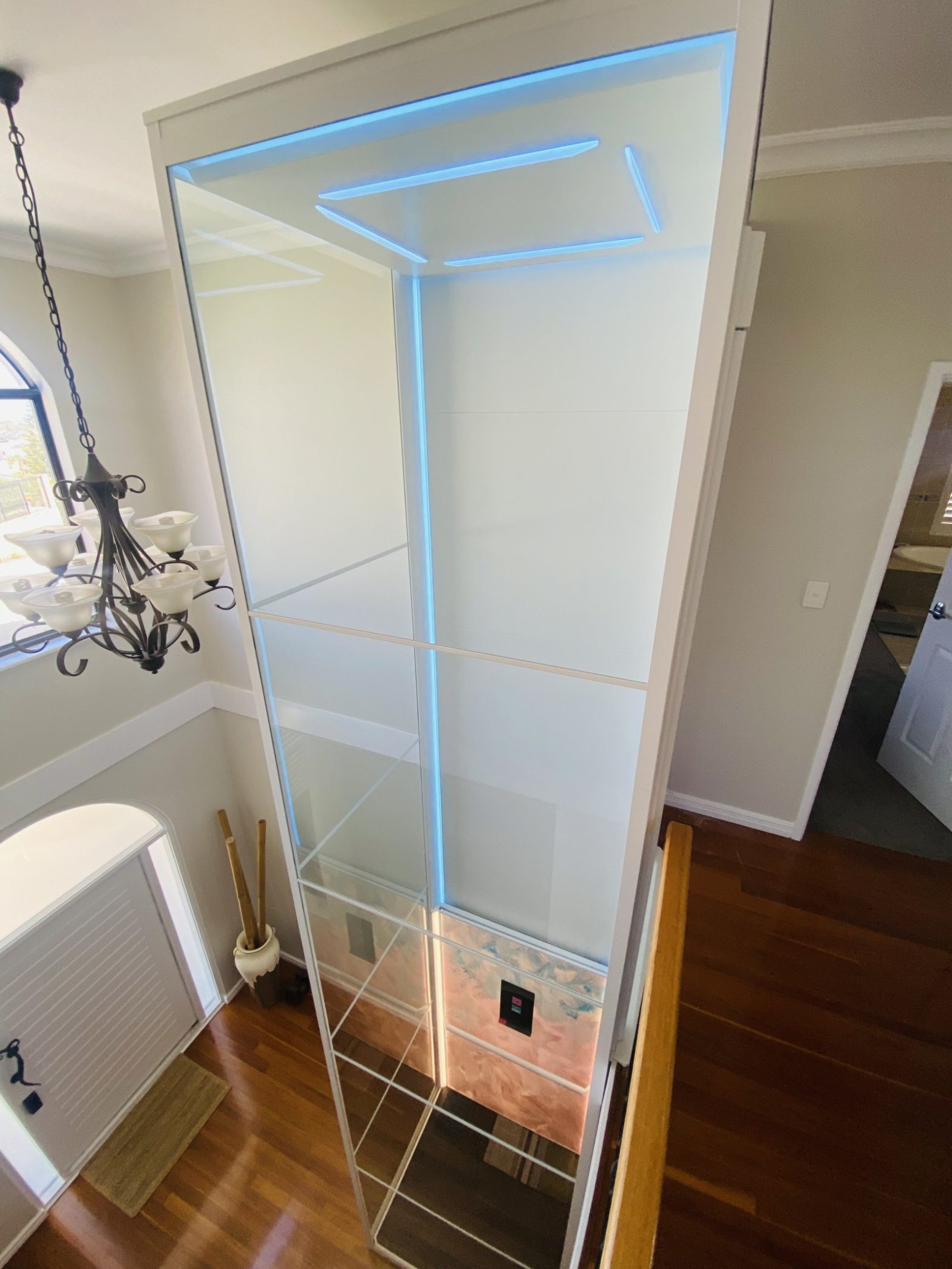
If you still think of residential elevators as noisy, clunky machines that belong in hospitals or shopping centres, you’re looking at outdated blueprints. It’s natural to feel hesitant about the potential for high maintenance costs or the structural chaos of a major renovation when considering a lift for your Perth home. You want a solution that adds genuine value and ease to your daily life, not a permanent construction site or a constant drain on your wallet.
This guide explores how the latest home lift technology has evolved into sleek, space-efficient systems that prioritise architectural harmony and energy efficiency for 2026. You’ll discover the mechanical innovations and smart features driving the next generation of Western Australian home accessibility. We’ll break down the pros and cons of different drive mechanisms like pneumatic vacuum systems versus electric models, ensure you’re across Australian Safety Standards, and help you find a whisper-quiet solution that requires minimal structural work to your existing floor plan.
Key Takeaways
- Learn how modern home lift technology has shifted from traditional hydraulic systems to oil-free pneumatic and electric alternatives that require significantly less maintenance.
- Understand the importance of Australian Standard AS1735 and how advanced sensor arrays ensure your lift remains safe and reliable for every member of the household.
- Discover how whisper-quiet motors and panoramic glass designs allow a residential lift to blend seamlessly into your home’s aesthetic without disrupting the peace.
- Explore space-efficient, shaftless solutions that make retrofitting a lift into an existing Perth residence simpler and more structural-friendly than ever before.
Comparing Home Lift Drive Systems: Pneumatic, Electric, and Hydraulic
The drive system is the mechanical heart of your installation, acting as the primary factor that determines how much structural work your home will require. While traditional hydraulic systems were once the industry standard, modern home lift technology has shifted toward cleaner, oil-free alternatives. These newer systems eliminate the risk of leaks and the need for separate machine rooms, making them far more suitable for quiet residential environments. Matching the right system to your property involves balancing your home’s structural capacity with your personal noise tolerance.
The Science of Air: How Vacuum Lifts Work
Utilising the simple physics of air pressure, Pneumatic Vacuum Elevators (PVE) move the cabin by creating a vacuum above the car for ascent and controlled air release for descent. This “pitless” design is revolutionary for Perth homeowners because it requires no excavation or hoistway construction. The circular footprint of PVE models offers a minimalist aesthetic that fits into tight corners while maintaining a sense of architectural openness in modern WA homes.
Precision Engineering: Electric and Eco-Friendly Belt Drives
For those seeking absolute stability, the SWIFT Pro Lift employs advanced screw-and-nut or belt technology. These electric motors are remarkably efficient, often consuming less power than a standard kettle or toaster during operation. While pneumatic systems are prized for their minimal maintenance needs, electric belt drives offer an ultra-smooth, whisper-quiet experience. Choosing between them often depends on your specific needs:
- Pneumatic: Best for retrofitting into existing spaces with zero floor damage.
- Electric: Ideal for high-traffic use where precision and silent operation are priorities.
- Hydraulic: Now largely avoided in residential settings due to messy oil maintenance and space-heavy machine rooms.
Understanding these mechanical differences ensures you select the most reliable home lift technology for your family’s long-term comfort and accessibility.
Essential Safety Tech: Reliability and Future-Proofing for WA Homes
Safety in home lift technology isn’t just about meeting the minimum requirements of Australian Standard AS1735; it’s about providing absolute peace of mind for every resident. Future-proofing is the strategic integration of adaptable accessibility features that ensure a property remains functional as mobility needs change, while simultaneously protecting long-term resale value. This involves using fire-rated materials and integrated emergency communication systems that ensure help is always reachable.
Lithium-Ion Battery Backup and Emergency Descent
Perth’s summer storms or grid maintenance can lead to unexpected power outages, but modern lifts are designed to handle these scenarios seamlessly. High-quality lithium-ion battery backups ensure you aren’t left stranded between floors. If the mains power fails, the “Automatic Emergency Descent” system takes over, gently returning the car to the ground floor and opening the doors. To keep this system reliable, it’s a good idea to have a technician test the battery health during your annual service.
Safety Sensors and Smart Braking Mechanisms
Protecting children and pets is a priority in any family home. Modern systems use infrared light curtains that create an invisible barrier across the entrance; if anything breaks this beam, the lift stops instantly. Mechanical overspeed governors act as a physical fail-safe, providing a secondary braking layer that operates independently of electronic controls. These features are non-negotiable for those planning for “ageing in place,” as they provide a level of security that older home lift technology simply cannot match. If you’re concerned about specific safety layouts, you can browse our range of certified lift solutions to see these features in action.

The Evolution of Design: Quiet Operation and Smart Integration
Modern design has transformed the residential elevator into a sophisticated architectural feature rather than a hidden utility. In Western Australia, the trend toward panoramic glass designs ensures that a lift doesn’t break the flow of open-plan living or block natural light. If you’re drawn to this aesthetic, round glass lifts for homes Perth offer a stunning way to preserve natural light and unobstructed views while moving between floors. SWIFT Lifts exemplify this evolution, utilising a minimalist aesthetic that integrates into your existing décor without requiring bulky structural enclosures. You can customise finishes to match local interior palettes, from coastal timber tones to sleek metropolitan metals, ensuring the installation feels like a natural extension of your home.
Silent Motion Technology: Decibel Reduction in Small Spaces
Achieving a quiet home environment is a top priority for most Perth homeowners. Current home lift technology employs vibration isolation and specialised acoustic dampening within the shaft to contain mechanical sounds. If you’re installing a lift near a bedroom, a drive system with soft-start and soft-stop functionality is vital; it prevents the jarring “thud” often associated with older commercial units. While vacuum lifts have a distinct air-flow sound during ascent, screw-driven models offer a consistent, low-decibel hum that is barely audible from the next room.
Smart Home Ecosystems and IoT Connectivity
The latest generation of “Smart Lifts” connects directly to your home’s IoT network. You can now monitor your lift’s status or call it to your floor via a smartphone app. For added reliability, remote diagnostic features allow technicians to monitor performance data and troubleshoot minor issues without needing to visit your property. This integration extends to lighting and floor calls, which can be synchronised with your broader home automation system for a truly seamless experience. Ready to see how these designs fit your space? Explore the SWIFT range today to find a model that complements your home’s aesthetic.
Implementing Technology in Perth Homes: Retrofitting and Regulations
Retrofitting a lift requires a nuanced understanding of Western Australian building methods, particularly the double-brick construction common across Perth. Modern home lift technology now includes “shaftless” options that allow for installation in tight corners or through-floor voids without demanding a full-scale renovation. This process involves a collaborative effort between lift specialists, local builders, and Western Australian councils to ensure every installation meets strict local regulations. Choosing the right system depends on your property’s unique footprint and your long-term mobility goals.
Engineering for Existing Western Australian Properties
Installing a lift into a double-brick residence requires careful load-bearing analysis to protect your home’s structural integrity. A Sigma platform lift or a compact vacuum model is often the most efficient choice for renovations because they require minimal excavation and no deep pits. We also coordinate the electrical load requirements to ensure your system aligns with current Western Power connection standards. This meticulous planning prevents unnecessary power upgrades and ensures your home’s electrical grid handles the new addition safely.
The Professional Installation Journey: From Slab to Commissioning
The path to improved accessibility is methodical and designed to minimise disruption to your daily life. It begins with a structural assessment by a qualified Perth technician to prepare the site. Next, the modular assembly process takes place, which significantly reduces the time contractors spend in your home. Finally, we conduct a rigorous safety certification and provide full user training. This ensures you’re confident and comfortable using your new system from day one. It’s about providing a reliable, long-term solution that fits your lifestyle perfectly.
Future-Proofing Your Perth Home with Confidence
Investing in a residential elevator is no longer just a matter of luxury; it’s a strategic decision to ensure your home remains accessible and valuable for decades to come. The shift in home lift technology toward oil-free, energy-efficient systems like SWIFT and PVE has removed the traditional barriers of noise and high maintenance. Whether you are navigating the complexities of a double-brick retrofit or integrating smart sensors for “ageing in place” security, the right choice depends on matching these technical innovations to your specific floor plan.
As a locally owned and operated business in Western Australia, we pride ourselves on being specialists in PVE and SWIFT technology. We provide expert guidance for builders and architects to ensure every installation is seamless and compliant with local standards. You don’t have to navigate these technical choices alone. To take the next step toward a more accessible future, Book a Consultation with Perth’s Home Lift Experts. We’re here to help you move through your home with ease and confidence.
Frequently Asked Questions
What is the most energy-efficient home lift technology available in 2026?
Pneumatic Vacuum Elevators (PVE) and SWIFT Pro lifts currently lead the industry in energy efficiency. PVE models are unique because they use zero electricity during descent, relying entirely on gravity and air pressure. When ascending, they use minimal power to create a vacuum. Similarly, SWIFT motors are engineered to consume less energy than a standard household kettle, making them a sustainable choice for modern Western Australian homes.
Do modern home lifts require a separate machine room?
No, most contemporary residential lifts are designed as “Machine Room Less” (MRL) systems. This means all the mechanical components are housed within the lift shaft or the unit itself, rather than in a separate, bulky equipment room. This advancement in home lift technology is a significant advantage for Perth homeowners, as it allows for much easier integration into existing floor plans without requiring extensive structural modifications.
How much maintenance does a pneumatic vacuum elevator actually need?
Pneumatic Vacuum Elevators require very little maintenance compared to traditional cable or hydraulic systems. Because they don’t use messy oils, grease, or complex pulleys, there are fewer parts that wear out over time. We generally recommend a simple annual inspection by a qualified technician to check the turbines and seals. This low-maintenance profile ensures long-term reliability and keeps the ongoing cost of ownership remarkably low for the homeowner.
Can I install a home lift in an existing Perth house with limited space?
Yes, retrofitting into tight spaces is now simpler than ever. Compact models like the PVE 30 have a footprint of just 750mm in diameter, allowing them to fit into small corners or through-floor voids. Shaftless home lift technology also removes the need for a dedicated hoistway, which is ideal for double-brick Perth homes where space is limited. We often find creative solutions that require minimal disruption to your home’s structure.
Are battery-powered home lifts reliable during a Western Australian blackout?
Battery-powered systems are extremely reliable and specifically designed to handle local power outages or grid instability. In the event of a blackout, the Automatic Emergency Descent feature uses the backup battery to gently lower the car to the ground floor and open the doors. This ensures that no one is ever stranded between levels. It’s a vital safety feature that provides consistent peace of mind for families and those prioritising independent living.