
Over 77% of older Australians want to remain in their own homes as they age, yet navigating a staircase often turns a cherished multi-storey property into an exhausting, daily safety risk. The thought of losing your independence or feeling pressured to downsize is deeply frustrating, particularly when the prospect of messy, intrusive construction feels just as stressful. Choosing modern mobility lifts for seniors is no longer about accepting a clinical compromise; it’s a proactive investment that transforms your existing residence into an accessible lifetime home.
In this guide, you’ll discover how today’s domestic lifts help you move between floors safely, preserve your autonomy, and future-proof your living space without sacrificing architectural style. We will clarify the practical differences between chair stairlifts, platform lifts, and home elevators, giving you the clarity needed to choose the ideal solution for your physical needs, property layout, and long-term comfort.
Key Takeaways
- Understand the core mechanical differences between residential elevators, platform lifts, and chair stairlifts to match your immediate and future physical requirements.
- Compare modern drive mechanisms, from self-supporting pneumatic vacuum systems to screw-driven units, to identify the best mobility lifts for seniors without demanding invasive structural modifications.
- Learn the vital structural assessment steps required for Western Australian residences, including double-brick walls and suspended timber flooring, to ensure full Australian Standards compliance.
- Explore how partnering with an occupational therapist and reviewing available government funding pathways can streamline your installation and make staying in your own home seamless.
Understanding Mobility Lifts for Seniors: Essential Home Access Options
Ageing in place allows you to remain anchored in the neighbourhood, community, and domestic sanctuary you love. However, physical mobility naturally evolves over a ten-year horizon. Purpose-built mobility lifts for seniors bridge this transition, replacing stair-climbing hurdles with dependable, permanent access. Rather than settling for clinical equipment that feels like an institutional hospital ward, modern domestic lifts incorporate architectural glazing, timber textures, and minimalist metalwork to complement your interior styling effortlessly.
The Core Difference Between Stairlifts, Platform Lifts, and Home Elevators
Every home and physical situation demands a tailored spatial approach. The three primary residential formats include:
- Chair Stairlifts: A traditional stair lift offers a low-impact retrofit along straight or curved flights. It transports a seated user directly along the rail line without demanding dedicated shaft construction.
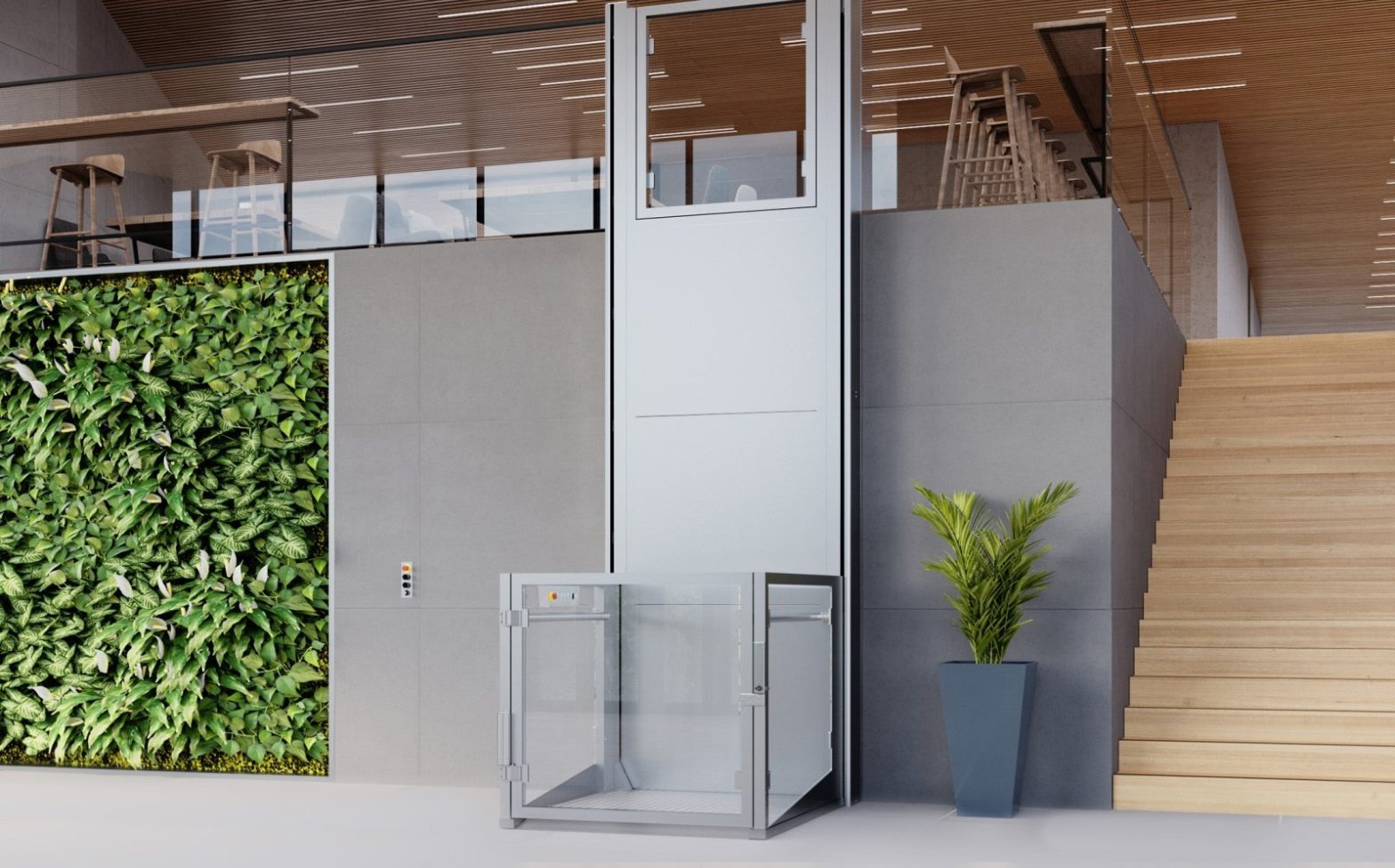
- Vertical Platform Lifts: Ideal for managing multi-level threshold steps, raised porches, or between-floor travel. These units provide open or enclosed platforms designed specifically for seated passengers, wheelchair users, and walking frames.
- Enclosed Domestic Elevators: These self-contained cabins travel vertically through an engineered aperture. They move multiple individuals, heavy laundry baskets, or mobility aids between storeys with complete ease.
Proactive Ageing in Place: Eliminating the Fall Hazard of Stairs
Stairs represent one of the single greatest physical hazards in multi-level properties. Approximately one in four Australians aged 65 and over experience a fall each year, with stairs contributing significantly to preventable injuries and hospital admissions. Installing residential mobility lifts for seniors removes the daily strain placed on ageing knees, hips, and joints, conserving physical energy for the activities you actually enjoy. Planning ahead with refined domestic systems, such as the Scandinavian-engineered SWIFT lifts range, safeguards multi-level autonomy while adding lasting, elegant functionality to your residence.
Comparing Senior Mobility Lift Systems for Australian Living
Selecting the right lift mechanism comes down to balancing structural impact, travel velocity, and future assistive needs. While traditional screw-driven and hydraulic systems deliver dependable stability, modern traction setups offer whisper-quiet transit. Outdoor accessibility also deserves consideration; dedicated outdoor lifts resolve split-level verandas and steep garden entries where internal modification isn’t viable. To future-proof properly, cabin dimensions must accommodate standard manual wheelchairs or powered mobility devices, preventing awkward transfers down the track.
Compact Shaftless and Pneumatic Vacuum Elevators
Pneumatic vacuum elevators represent a remarkable shift in domestic design. Utilizing atmospheric pressure within a sealed cylindrical tube, these systems glide between floors without bulky machine rooms, oil pits, or overhead hoistways. They rest directly on existing flooring, requiring minimal civil work inside established homes. Beyond their compact diameter, the 360-degree clear polycarbonate walls provide panoramic visibility, entirely removing the closed-in, claustrophobic sensation common in conventional lifts.
Incline Stairlifts and Platform Stair Lifts
For narrow stairways where shaft installation isn’t feasible, inclined carriers provide a practical alternative. Solutions like the Delta platform stairlift transport users in wheelchairs up straight or curved runs with ease. Key spatial considerations include:
- Folding Platforms: Slimline decks and safety arms fold neatly against the wall, preserving walking clearances for other family members.
- Rail Positioning: Direct balustrade or tread-mounting options minimise cosmetic damage to plaster and brickwork.
- Custom Rail Profiles: Custom curves negotiate landings, half-landings, and steep gradients smoothly.
When selecting between these systems, completing an Occupational Therapy (OT) assessment ensures the chosen mobility lifts for seniors align perfectly with your physical stamina, seated transfers, and long-term functional goals. To discover which domestic lift system integrates cleanly into your architecture, speak with the specialist team at Perth Lift Company for personalized local guidance.

Evaluating Your Home Layout: Structural, Spatial, and Safety Standards
Integrating a residential lift into an established home requires evaluating architectural constraints before choosing hardware. Structural feasibility hinges on footprint availability, floor-to-floor heights, and how the mechanism anchors into your building framework. Fortunately, modern mobility lifts for seniors run on standard 230V single-phase domestic electrical circuits. Their energy consumption is modest, drawing comparable power to a standard domestic household appliance during short transit cycles.
Structural Adaptation in Established Western Australian Homes
Western Australian construction features distinctive building materials that require specialised planning:
- Double-Brick Walls: Solid masonry offers exceptional load-bearing capacity for guide rails, eliminating the need for additional structural timber stud reinforcement.
- Suspended Timber vs Concrete Slabs: Upper timber floor joists require neat trimmer framing when cutting ceiling apertures. For ground floors, pitless or shallow 50mm pit designs eliminate invasive concrete slab trenching.
- Spatial Repurposing: Existing floor plans easily accommodate lifts by stacking walk-in wardrobes, utilizing central stair voids, or converting unused hallway alcoves.
Australian Safety Standards (AS 1735) and Emergency Safeguards
All private home elevators in Australia must comply with Australian Standard AS 1735, which regulates residential passenger lift manufacturing and installation. Critical provisions under the standard safeguard vulnerable occupants through sensitive perimeter trip edges, full-height infrared light curtains, and clear in-cabin emergency communication consoles. In the event of an unexpected suburban power outage, automatic battery-backup descent systems activate instantly. The cabin safely lowers to the nearest floor and unlocks the door, preventing entrapment. To ensure your residence meets every structural requirement seamlessly, contact Perth Lift Company for an in-home structural feasibility survey.
Planning Your Mobility Lift: Assessment, Grants, and Installation
Executing a successful home modification requires a coordinated plan that addresses both clinical requirements and local construction schedules. Moving from initial concept to a fully operational installation involves detailed consultation, funding exploration, and precise mechanical assembly. By following a structured pathway, adding mobility lifts for seniors becomes an orderly, stress-free experience that protects your property’s value while delivering immediate peace of mind.
Working with Occupational Therapists and Home Support Programs
An occupational therapist (OT) conducts an environmental assessment to evaluate your functional capacity, seated height, and hand dexterity. Their recommendations directly shape bespoke lift features, such as tactile call buttons, voice feedback, or grab rail positioning. Funding support may be accessible through government programs:
- Support at Home (AT-HM Scheme): Offers dedicated funding tiers for home modifications, including high-tier grants for essential structural works that support independent ageing in place.
- Home Care Packages (HCP): Capital modification allocations can contribute toward mobility hardware when substantiated by an OT clinical report.
- NDIS Capital Supports: Available for eligible participants under 65, providing ring-fenced assistive technology funding for verified home modifications.
The Professional Installation and Commissioning Process in Perth
A typical residential project progresses over several defined stages. After finalizing engineering drawings and securing private certifier approvals to comply with the National Construction Code, on-site assembly commences. For self-contained or low-impact systems, physical works inside the home often wrap up in just a few days. Technicians then complete comprehensive safety testing, covering emergency communications and backup descent protocols. The installation concludes with an unhurried handover demonstration, guiding family members through normal operation, manual release systems, and scheduled annual maintenance servicing.
Future-Proof Your Home and Protect Your Independence
Staying comfortably in your family home shouldn’t mean struggling against the physical barriers of multiple levels. As we have explored, selecting the right drive system, verifying building suitability, and coordinating with healthcare professionals ensures your modification enhances daily living seamlessly. Investing in purpose-engineered mobility lifts for seniors eliminates stair hazards while preserving the architectural beauty and character of your property.
Every home presents unique layout opportunities, whether you require an unobtrusive seated stairlift or an elegant residential lift. As Western Australian specialists in residential accessibility, Perth Lift Company acts as the official regional distributor for innovative Pneumatic Vacuum Elevators and precision European lifts. Every system is installed with meticulous care to ensure comprehensive compliance with Australian Safety Standard AS 1735.
Take the proactive step toward lifelong comfort today. Explore tailored mobility lift solutions with Perth Lift Company and look forward to moving freely throughout every corner of your home for decades to come.
Frequently Asked Questions
Can a mobility lift be installed in an existing two-storey home without major renovations?
Yes, modern systems can be retrofitted with minimal disturbance to your Perth home. Self-supporting options like Pneumatic Vacuum Elevators sit directly on your ground flooring without pit excavation, machinery rooms, or extensive load-bearing alterations. By utilizing stair voids, former cupboards, or hallway corners, specialists can install modern mobility lifts for seniors quickly, often completing the on-site building work within just a few days.
What happens if there is a power outage while someone is inside the lift?
Occupants will never be stranded between floors during an unexpected blackout. Compliant Australian residential lifts feature automatic battery-backup emergency lowering systems. When mains power fails, the cabin gently descends to the lowest landing under controlled battery power and automatically unlocks the cabin doors. Modern units also incorporate in-cabin emergency telephone consoles and manual mechanical release valves for complete peace of mind.
How much physical space is typically required to install a home mobility lift?
Space requirements vary depending on whether you choose a compact residential lift or a full wheelchair platform. Ultra-compact circular vacuum elevators require a footprint diameter of less than one metre, fitting neatly into tight corners. Standard domestic platform lifts and enclosed home elevators generally require an area of approximately 1.2 to 1.5 square metres to comfortably accommodate walking frames or standard wheelchairs.
Are residential mobility lifts covered by My Aged Care or Home Care Packages?
Government funding contributions are available under specific home support streams. The Assistive Technology and Home Modifications scheme under the Support at Home program offers dedicated funding tiers for structural accessibility. Similarly, Home Care Package funds can contribute toward mobility hardware when backed by an Occupational Therapist assessment confirming the modification is clinically essential for continuing to live independently at home.
What is the main difference between a stairlift and a residential platform lift?
The primary distinction lies in transfer capability and physical footprint. A stairlift transports a seated user along a rail fixed directly to stair treads, requiring the user to transfer independently from their walking aid. In contrast, vertical or inclined platform mobility lifts for seniors carry the user while remaining securely inside their wheelchair or using a walking frame, completely eliminating the need for seated transfers.