
What if the right question isn’t whether a lift is “NDIS approved”, but whether it meets your individual needs? If you’re searching for NDIS approved home lifts Perth, it helps to know that the NDIS doesn’t approve specific lift brands or models. Funding decisions depend on a participant’s circumstances and documented needs, and a home lift may be considered as a home modification.
It’s understandable to want clarity before comparing options or speaking with suppliers. An occupational therapist can help assess how a disability affects access at home and whether a lift may be appropriate, but funding isn’t guaranteed. This guide explains what the NDIS may consider, how different lift types could suit a home and mobility needs, and what evidence and approvals to ask about. You’ll also find practical questions to take to your support team and a Perth supplier, so you can progress carefully and with greater confidence.
Key Takeaways
- Searching for NDIS approved home lifts Perth? A lift’s marketing label, a provider’s registration status and an individual funding decision are separate considerations.
- Compare residential lifts, vertical platform lifts and stairlifts by the access task, including wheelchair use, transfers, levels and available space.
- Before making a funding enquiry, gather relevant plan information, home details and the participant’s goals.
- Ask a Perth supplier what it can confirm about lift suitability, site requirements, installation scope and ongoing support, and what needs an external assessment or approval.
NDIS approved home lifts Perth: what does the term mean?
“NDIS approved” is common search wording, but it can refer to different things: a supplier’s registration status, a lift’s suitability for a particular person, or whether the NDIS may fund it. These are separate questions. A product label or supplier claim doesn’t establish that a lift will meet someone’s access needs or receive funding.
A lift isn’t automatically funded because it’s marketed as NDIS approved. Funding consideration depends on the participant’s circumstances and current NDIS guidance, so check the requirements that apply to the individual before progressing. For general background on how lifts work, see this overview of elevator technology. To explore one residential lift category, Perth Lift Company provides information about its SWIFT residential lifts.
Is an NDIS-approved lift the same as an NDIS-funded lift?
No. A product claim describes how a lift is marketed; provider registration concerns the provider’s status; and a funding decision is specific to a participant and their plan. None of these alone confirms the other two. A model, supplier or quote can help inform discussions, but it doesn’t guarantee funding or suitability.
Who should help assess a home lift need?
The participant can describe the access barriers they face and the goals they want to achieve at home. Their support team may help organise relevant information, while an occupational therapist can assess functional needs and advise on potential options and evidence. The appropriate assessment and documentation depend on the circumstances, so confirm current requirements with the NDIS before commissioning reports or making commitments.
A useful starting point is to record where access is difficult, which levels need to be reached and how the person expects to use the lift day to day. A Perth lift specialist can then discuss possible lift categories and site considerations, while clarifying what requires an external assessment or NDIS decision.
Which home lift type may suit your Perth access needs?
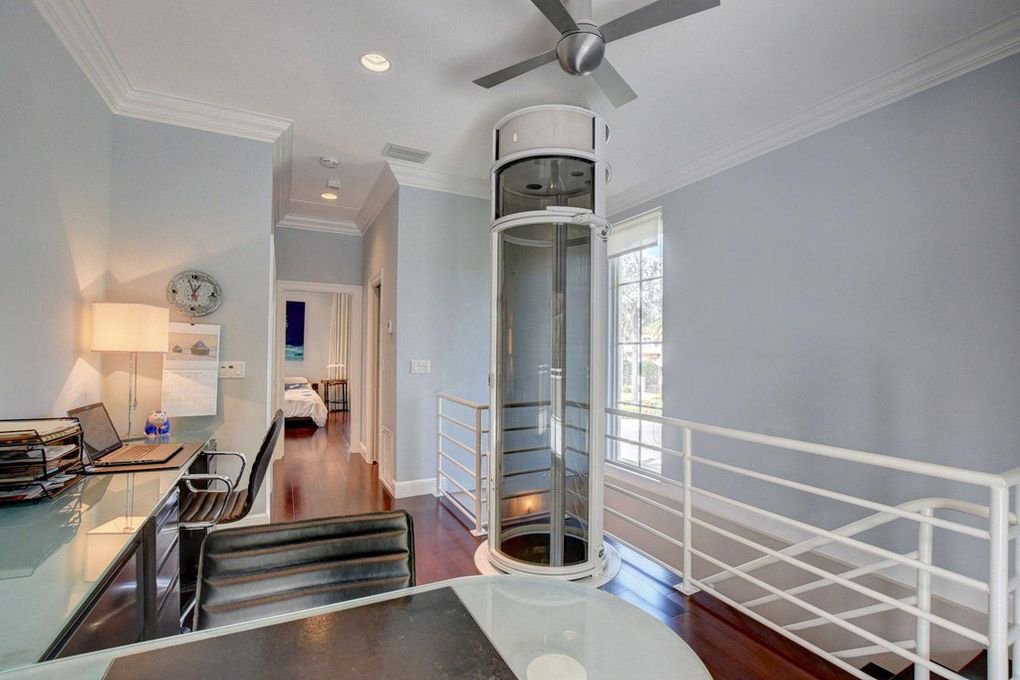
Start with the access task, not a marketing label. A residential lift may be worth discussing if the person needs to travel between levels without using the stairs. Perth Lift Company’s SWIFT residential lift range is one category to explore, with suitability depending on the person’s assessed needs and the home’s layout.
A vertical platform lift and a stairlift address different situations. A platform lift may suit access between levels when a person needs to remain on a mobility device. A stairlift follows the stairs, so consider how the person would get on and off it. Neither option is automatically right for every wheelchair user or household. The NDIS home modifications explained guidance can help you understand the funding context. An assessment and discussion about the specific home can clarify practical suitability.
What should you compare before choosing a lift?
Bring the everyday details into the conversation. Consider whether the person will use a wheelchair or another mobility device, whether transfers are needed, which levels must be reached, and how much space is available at each access point. Think about household routines, who may use the lift, and whether the route is practical throughout the day. These details help an occupational therapist and supplier discuss options against actual needs, rather than assumptions based on a product label.
When might another mobility solution be worth discussing?
If the main barrier is a staircase, a stairlift may be relevant to discuss. If the person needs to travel while using a mobility device, ask whether a platform lift or residential lift could be more appropriate. A Perth supplier can explain site requirements and compare categories, while clarifying what needs external assessment. For a starting point, browse the home lift product range and note which options you’d like to discuss. That’s more useful than treating “NDIS approved home lifts Perth” as a label that confirms suitability or funding.

How do you prepare an NDIS home lift funding enquiry?
A clear enquiry starts with the access problem, not a preferred lift model. Describe what’s difficult in the home, seek advice from an occupational therapist or relevant support professional, then explore options that appear practical for the participant and property. Searching for NDIS approved home lifts Perth can help you find suppliers, but a supplier discussion is not an NDIS funding approval.
Before contacting a supplier, gather relevant plan information, details about the home and the participant’s goals. Check current NDIS guidance and the participant’s funding pathway to understand what assessment, evidence and approval steps may apply. Requirements can vary with individual circumstances, so confirm them before committing to a product or installation.
What information can help an assessment and supplier discussion?
Prepare a concise picture of daily access needs. Note where movement is restricted, which levels the person needs to reach, the available space and access points, and whether they use a wheelchair or need help with transfers. Include the participant’s goals, such as reaching a bedroom or bathroom more independently. Ask the occupational therapist or relevant support professional what evidence is appropriate, and share home plans or measurements if available.
For early budgeting, review the Perth home lift price guide for factors that can affect a project. Use it as general planning information, not as a quote for a specific home or confirmation of NDIS funding.
What should you confirm about funding before committing?
Ask the participant’s current NDIS contact or relevant support team to clarify whether funding is available and what approval process applies. Confirm the required documents and sequence before signing an agreement or arranging work. A supplier can discuss lift categories and site considerations, but can’t make the NDIS funding decision.
Once needs and funding questions are clearer, discuss the home’s requirements with Perth Lift Company to explore which lift categories may be feasible. Keep assessment, funding confirmation and supplier advice distinct, as each helps answer a different part of the decision.
How to choose a Perth home lift supplier and plan next steps
A useful supplier conversation connects the participant’s access goals with the realities of the home. Perth Lift Company is a locally owned Western Australian supplier and installer offering residential lifts, vertical platform lifts and stairlifts. A supplier can discuss possible options and site considerations, but should also clarify what needs confirmation from an occupational therapist, another professional or the NDIS.
What should you ask a lift supplier before proceeding?
Be ready to describe the access task and ask what information is needed to assess whether a lift may suit the home. Useful questions include:
- What site details, measurements or plans are needed to discuss feasibility?
- How does the proposed option relate to the person’s mobility device and transfer needs?
- What does the product and installation scope include, and what may need separate arrangement or confirmation?
- What ongoing support or maintenance should the household plan for, and who is responsible?
Ask for the proposed scope and any exclusions to be explained clearly. If something depends on a separate assessment, building decision or funding approval, have the supplier identify that boundary rather than treating it as settled.
What is a sensible next step for Perth households?
Bring the participant’s access goals, relevant assessment information and available home details to an initial discussion. Compare suitable categories before settling on a specific model, and don’t treat a quote or supplier recommendation as confirmation of NDIS funding. This is especially important if your search for NDIS approved home lifts Perth has left you unsure which decisions belong to the supplier and which need external assessment or approval.
Once those questions are clearer, you can discuss home lift options with Perth Lift Company and explore what may suit the household and property, without committing before the necessary checks are complete.
Take your next step with a clear plan
Choosing a lift starts with the person’s access needs and the home, not a product label. Keep the key distinction in mind: searching for NDIS approved home lifts Perth doesn’t confirm that a particular lift or supplier has NDIS approval, or that funding will be granted. Funding decisions are participant-specific, so check the relevant requirements through the participant’s current NDIS pathway.
Before moving ahead, bring together the participant’s goals, assessment information and practical details about the property. Then compare lift categories and ask a supplier to clarify what it can assess, what installation involves and which matters need external confirmation. This helps keep the product choice and funding decision separate.
Perth Lift Company is locally owned and operated in Western Australia, supplying and installing residential lifts and mobility solutions. It works with homeowners, builders and architects to discuss tailored options.
Frequently Asked Questions
Does the NDIS approve specific home lift models?
No. “NDIS approved” isn’t confirmation that a particular lift model has NDIS endorsement or will be funded. Product suitability depends on the participant’s access needs and the home, while funding is considered individually through the relevant NDIS pathway. A supplier can explain a lift’s features and site requirements, but neither a product label nor a quote guarantees a funding outcome.
Can the NDIS fund a home lift in Perth?
It may consider funding a home lift where it relates to a participant’s disability and meets applicable NDIS requirements, but funding isn’t automatic. The decision depends on individual circumstances, evidence and the participant’s plan pathway. Before committing to a lift or installation, check current NDIS home modification guidance and confirm the required steps with the participant’s NDIS contact or support team.
Do I need an occupational therapist assessment for an NDIS home lift enquiry?
An occupational therapist assessment can help explain how access barriers affect the participant’s daily life and what options may address them. Whether a specific report or other evidence is required depends on current NDIS guidance and the participant’s circumstances. Ask the relevant NDIS contact or support professional what documentation is needed before arranging an assessment, so the evidence relates clearly to the lift enquiry.
What information should I provide when asking a Perth lift supplier about NDIS funding?
Share the access task, the levels the person needs to reach, available space, and whether they use a wheelchair or need help with transfers. Include relevant home details, the participant’s goals and any assessment information they’re comfortable sharing. This helps a Perth supplier discuss feasible lift categories and site requirements. Confirm funding and approval steps separately through the participant’s current NDIS pathway.
Is Perth Lift Company an NDIS-registered provider?
Perth Lift Company is a locally owned Western Australian specialist that supplies and installs residential lifts and mobility solutions. Its registration status isn’t confirmed here. If registration matters to your enquiry, ask the company directly and verify relevant details through current NDIS channels. Registration, lift suitability and a participant-specific funding decision are separate considerations.
When you’re ready to explore residential lift options for your home, discuss your requirements with Perth Lift Company. Bring your access goals and available home details so the conversation can focus on options that may suit your household.