
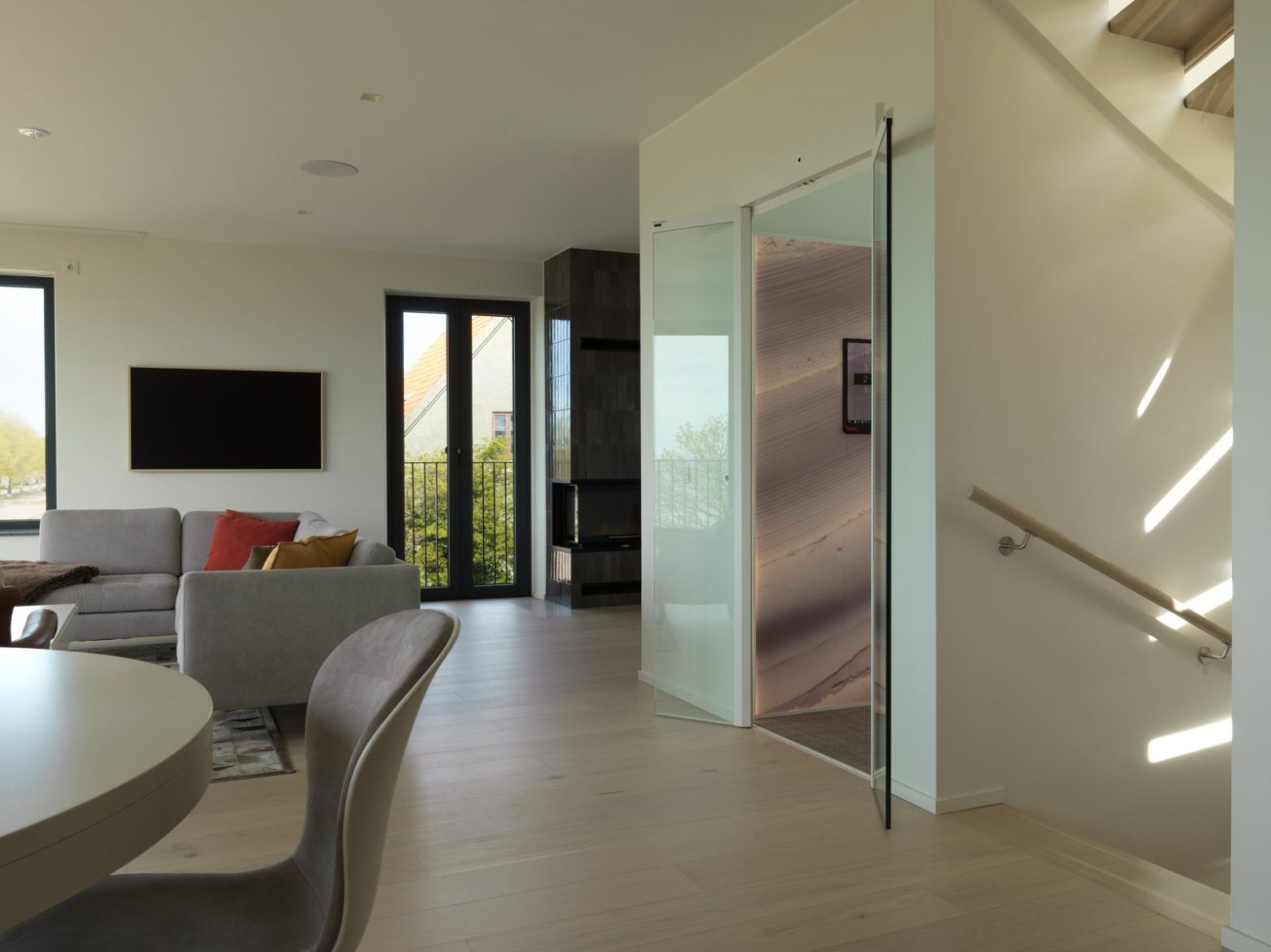
When comparing quiet home elevators, it’s easy to focus on the motor. But sound and vibration can also travel through the lift structure and surrounding parts of the house, so the quietest choice for your home depends on more than the drive system.
It’s understandable to want a lift that won’t interrupt sleep or the calm of a living area. The challenge is that “quiet” can mean different things, and sound claims may not reflect the conditions in your home. This guide explains common sources of lift noise and vibration, and how lift design, installation and location can affect what you hear.
You’ll also find practical ways to compare lift information and plan a suitable location. For Perth homeowners, bringing the lift, its position and the home layout into the discussion early can help set clear expectations. Perth Lift Company works with homeowners, builders and architects to tailor residential lift solutions across Perth and Western Australia.
Key Takeaways
- Quiet operation means keeping sound and vibration unobtrusive during everyday use, especially near bedrooms and shared living areas.
- Consider the whole lift setup, from its drive and doors to how movement may carry through the home’s structure.
- Compare quiet home elevators using operating details and sound measurements in context, not vague claims alone.
- Map nearby rooms, the home’s structure and household routines to help plan a lift location that suits your Perth home.
Quiet home elevators: what does quiet operation really mean?
Lift sound matters most when it carries into bedrooms or shared living areas, where ordinary operation can interrupt a quiet moment. For quiet home elevators, “quiet” means that sound and vibration during normal use remain low and unobtrusive. It doesn’t mean the lift is completely silent.
Airborne sound travels through the air, while vibration travels through connected building elements such as walls, floors and framing. A lift may be audible nearby, while vibration can also be felt or heard in an adjoining room. What you notice depends on the lift’s movement and components, how it’s installed, the building structure and where you’re listening. A general overview of types of elevator hoist mechanisms can help explain how lift systems differ, but the mechanism alone doesn’t determine how quiet a particular installation will feel at home.
Which sounds might a homeowner notice?
During a journey, you might hear the drive operating, the lift travelling, doors moving or an alert sounding. Some brief, consistent operating sounds are part of normal use. A new, persistent or unusually loud noise, or a change in how the lift sounds, deserves professional attention rather than being dismissed as ordinary operation.
Why does quietness feel different from home to home?
Room position, wall construction, floor structure and an open-plan layout all affect how sound carries. A bedroom beside a lift shaft, for example, may make operation more noticeable than a room further away. That isn’t a universal prediction, because the lift, installation and construction all matter. When planning, note where household members sleep, relax and spend time. This makes quietness a practical consideration rather than just a product claim.
How lift design, movement and installation affect noise
A lift’s sound comes from more than its drive system. The drive and moving components can create operational noise during a journey, while doors and alerts add brief sounds at the landings. Movement may also cause vibration that transfers into the shaft, floor or adjoining structure. A hum near the lift, for instance, could be more noticeable in a connected room if the building carries that vibration.
What role do drive systems and moving parts play?
Different drive designs move the lift in different ways, so their sound profiles can vary. But a general label such as hydraulic, traction or pneumatic isn’t enough to establish how quiet a particular lift will be. For a fair comparison, look for information about the specific model and how its sound was assessed. Door movement, travel and alerts matter too, because the overall experience includes sounds at both the start and end of a trip.
How can installation influence sound transfer?
Accurate installation helps components operate as intended, while the way a lift meets the surrounding structure can affect how vibration travels. A shaft connected to a floor or wall may transmit movement differently from one in another building arrangement. There isn’t one construction detail that eliminates noise in every home. The lift and its connections need to be considered in the context of the project.
Perceived lift noise depends not only on the equipment, but on how it’s installed and how its connections interact with the building. For quiet home elevators, consider design, installation and home structure together rather than treating a drive type as a guarantee of silence. Comparing residential lift options is a useful next step when deciding which system may suit your project.

How to compare quiet home elevators without relying on vague claims
To compare quiet home elevators fairly, look beyond labels such as “silent” or “whisper-quiet”. Use these steps to connect operating information with the rooms and routines that matter in your home:
- Identify sensitive rooms. Note bedrooms, studies and shared living spaces beside or above the proposed lift location.
- Compare operating details. Consider sound during travel, door movement and alerts, not just a general claim about the drive system.
- Review the project context. Relate the information to the lift position, building structure and layout.
What acoustic information is useful when comparing lifts?
Decibel figures can help, but only if the information states where the sound was measured and under what operating conditions. A figure measured beside a lift may not describe what someone would hear in a nearby bedroom. Look for model-specific data and its test method. Without that context, measurements aren’t directly comparable. Treat “silent” and “whisper-quiet” as marketing language unless supported by clear, relevant evidence. Don’t assume a particular threshold or standard applies without reliable confirmation.
Which questions help connect specifications to your home?
Map the rooms beside and above the proposed position. Then consider whether travel or door movement could be noticeable in a bedroom, where alerts will be heard, and whether a compact layout would place the lift close to a living area. Discussing lift type and placement as part of the same project can help you assess these trade-offs. For broader planning, look for Australian homeowner safety guidance relevant to residential lifts, and consider how the proposed layout affects access as well as noise.
Planning a quieter home elevator for a Perth home
For quiet home elevators, planning starts with the rooms around the lift, not just the lift itself. Map possible locations against bedrooms, living areas and frequently used spaces, then consider when household members are likely to use them. A lift beside a bedroom may affect someone’s experience differently from one near a busy hallway, depending on the home’s construction and layout.
What should be considered before choosing a lift location?
In a new build, the lift position and surrounding structure can be considered as part of the wider design with the project team. A retrofit has different constraints: existing rooms, floors and walls may limit placement or call for structural changes. In either case, consider how the lift will sit within the home and how sound or vibration could travel to nearby spaces. This coordination is especially useful in compact layouts, where a lift may be close to rooms used for rest or relaxation. For ideas on balancing a lift’s appearance, position and available space, explore modern home lift designs.
How can Perth Lift Company help with the next step?
Perth Lift Company works with homeowners, builders and architects across Perth and Western Australia to tailor residential lift solutions to each project. Options include modern hydraulic and gearless traction systems designed to suit various architectural styles. The right choice depends on the home, intended use and project requirements, rather than an assumed noise advantage. Discussing lift type, location and layout together can help you plan with greater confidence.
Ready to consider what may suit your home? Explore residential lift options, using your room layout and household routines as a starting point for planning.
Plan for a lift that fits your home
Quiet home elevators are best considered as part of the whole home. Lift type, installation and the way sound may travel through the building all matter, while the location of bedrooms and living areas shapes what quiet operation means for your household. Clear, model-specific information is more useful than broad claims, especially when sound measurements explain how and where they were taken.
Planning early can help align the lift’s position with your home’s structure and daily routines, whether you’re building or adapting an existing property. Perth Lift Company is a locally owned and operated Western Australian specialist, supplying and installing residential lifts across Perth and Western Australia. The team works with homeowners, builders and architects to tailor solutions to each project.
Start exploring the possibilities for your home with Explore residential lift options. With thoughtful planning, you can make a confident choice that supports everyday access and the calm of your living spaces.
Frequently Asked Questions
Are home elevators noisy?
Home elevators produce some sound during normal operation, but how noticeable it is depends on the lift, its installation and the home around it. You may hear the drive, movement, doors or alerts. Vibration can also travel through connected floors or walls. A brief, consistent operating sound is different from a new, persistent or unusually loud noise, which should receive professional attention.
What makes a home elevator quiet?
A home elevator feels quiet when its operating sounds and vibration remain low and unobtrusive in the spaces people use. The drive design matters, but so do moving components, door operation, alerts, installation and how the lift connects to the building. Quiet home elevators aren’t necessarily silent. Consider the complete sound experience rather than assuming a particular lift type will be quiet in every home.
Can you hear a home elevator in the room next to it?
Yes, you may hear a home elevator in an adjoining room, though the amount and character of sound vary from project to project. A connected wall or floor can carry vibration, while room position and construction affect how sound is perceived. A bedroom next to a lift may be more sensitive to operation than a hallway, so assess the actual layout rather than relying on a general prediction.
How do I compare noise levels between home elevators?
Compare model-specific sound information only when the measurement location and operating conditions are explained. A decibel figure taken beside a lift may not represent what someone hears in a nearby room. Look at travel, door movement and alerts too. Descriptions such as “silent” or “whisper-quiet” aren’t useful comparisons on their own. The supporting test method and context help you interpret a claim.
Does the location of a home elevator affect how noisy it seems?
Yes, lift location can change how noticeable operation feels. Consider which rooms sit beside or above possible positions, how the home’s floors and walls connect, and when household members use nearby spaces. In a Perth home, these details matter whether the lift is planned for a new build or fitted into an existing layout. Considering room adjacencies early can help guide a more suitable placement.